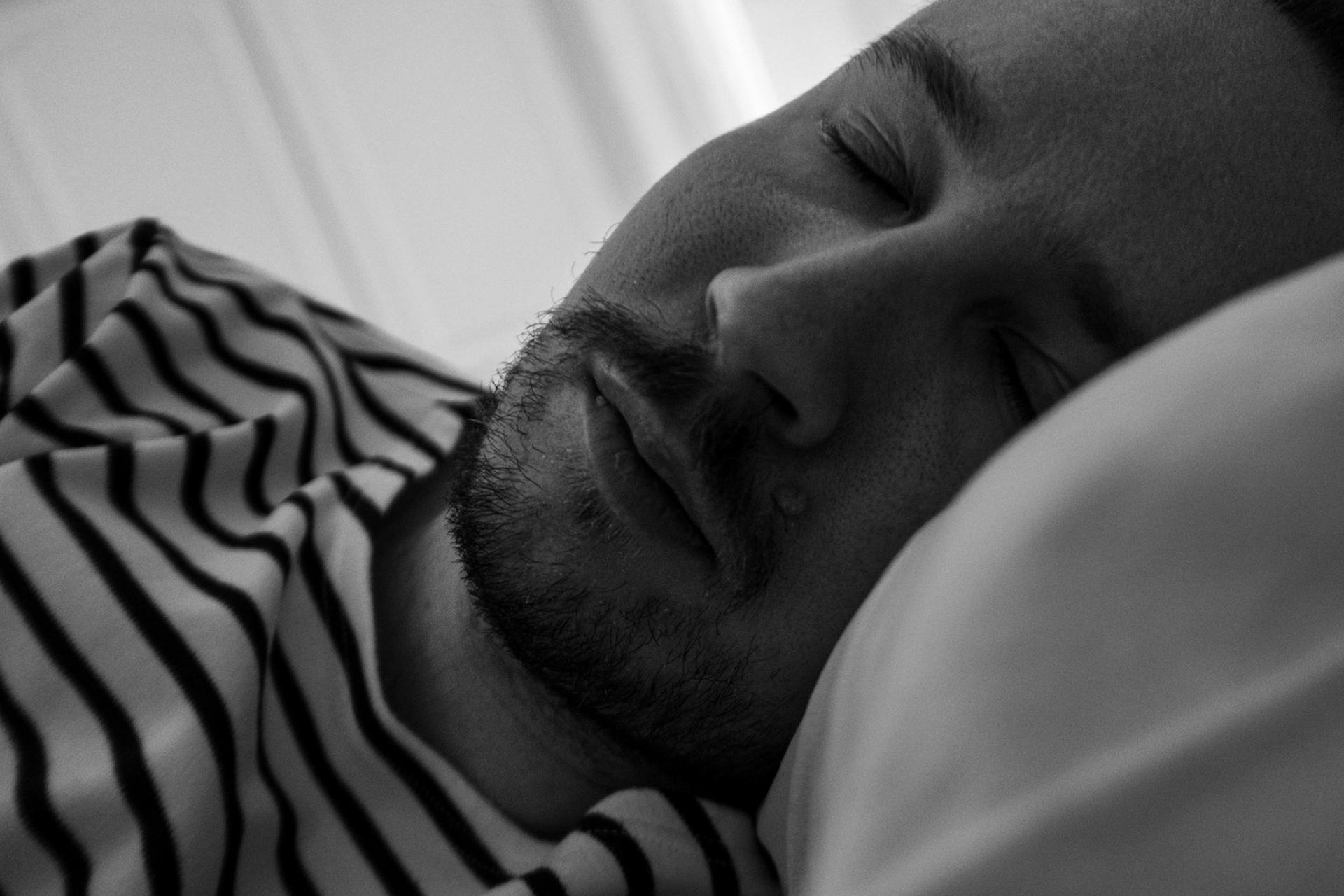
The Time Stands Still, Yet the Seasons Change is my personal photo essay about living life trapped in a bedroom due to severe myalgic encephalomyelitis.

A severe chronic illness, like ME/CFS, skews your perception of time. You’ve been stripped of the clues of "normal life", and the illness dictates everything, forcing you to live in bed 24/7.

When you have ME, the recovery periods from too much exertion can take days, weeks, or months—in some cases maybe even years. In that kind of survival mode, you lose track of time. When you finally feel a moment of clarity, you realise how the seasons have changed, and the time has slipped through your fingers.

The only clues of the passage of time are the changing view from your window, how the light plays differently in the corners of your dark room from season to season, or when your loved ones get older.

The photographs for this essay were taken over two years, from 2024 to 2026.
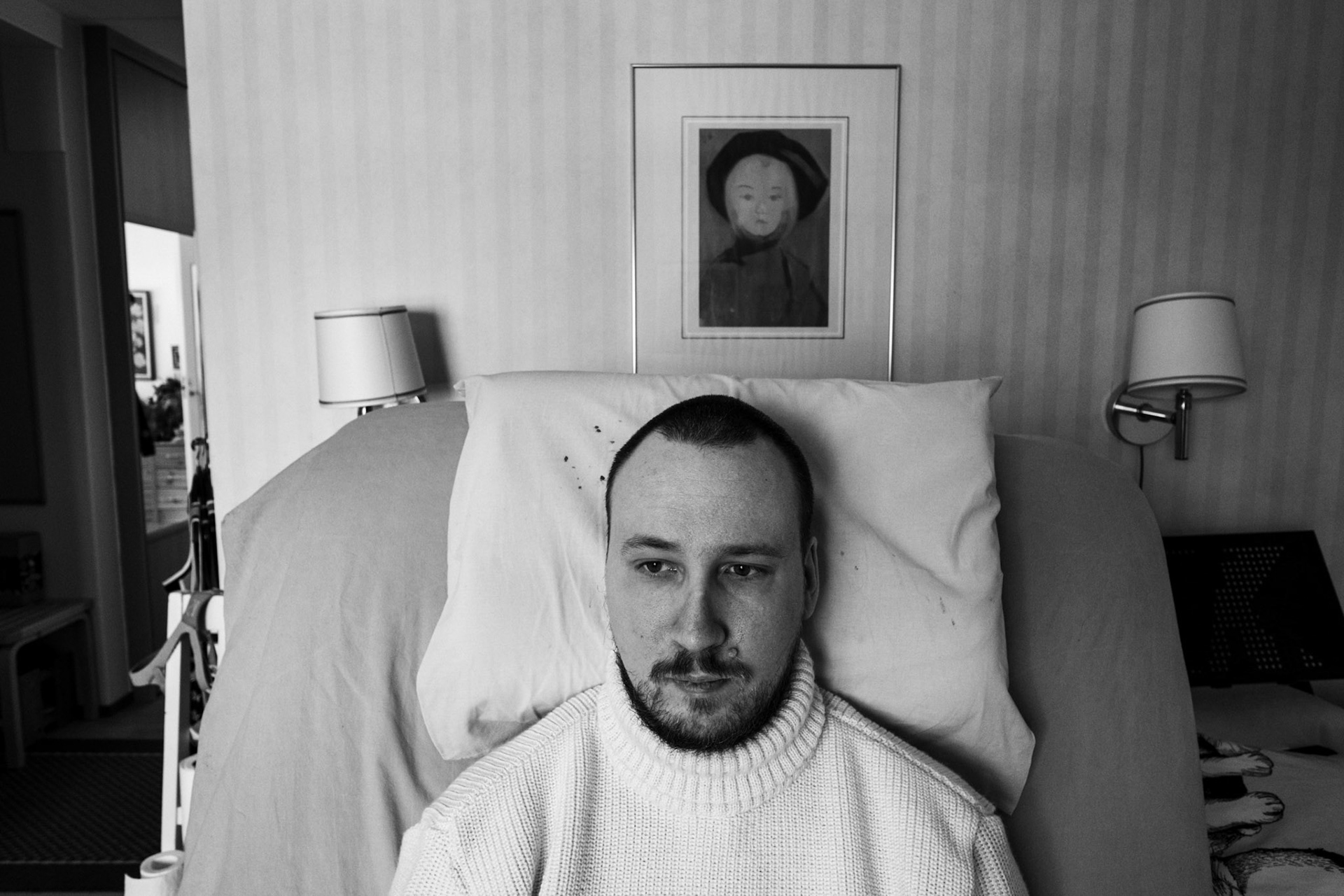
A black and white photo of Niko, a man in his 30s, sitting upright in a medical bed, looking outside a window. He’s wearing a thick woollen turtleneck sweater. The view from the window reveals a snowy landscape. In the background are a small Christmas tree on a stool and a wheelchair.
I have just adjusted my hospital bed to its upright position, and I take a longing glimpse through my bedroom window. To everyone else, it’s simply a regular window in a house built in the seventies. To me, it’s the only view of the world. A world that I haven’t been part of since my illness got severe in June 2022.
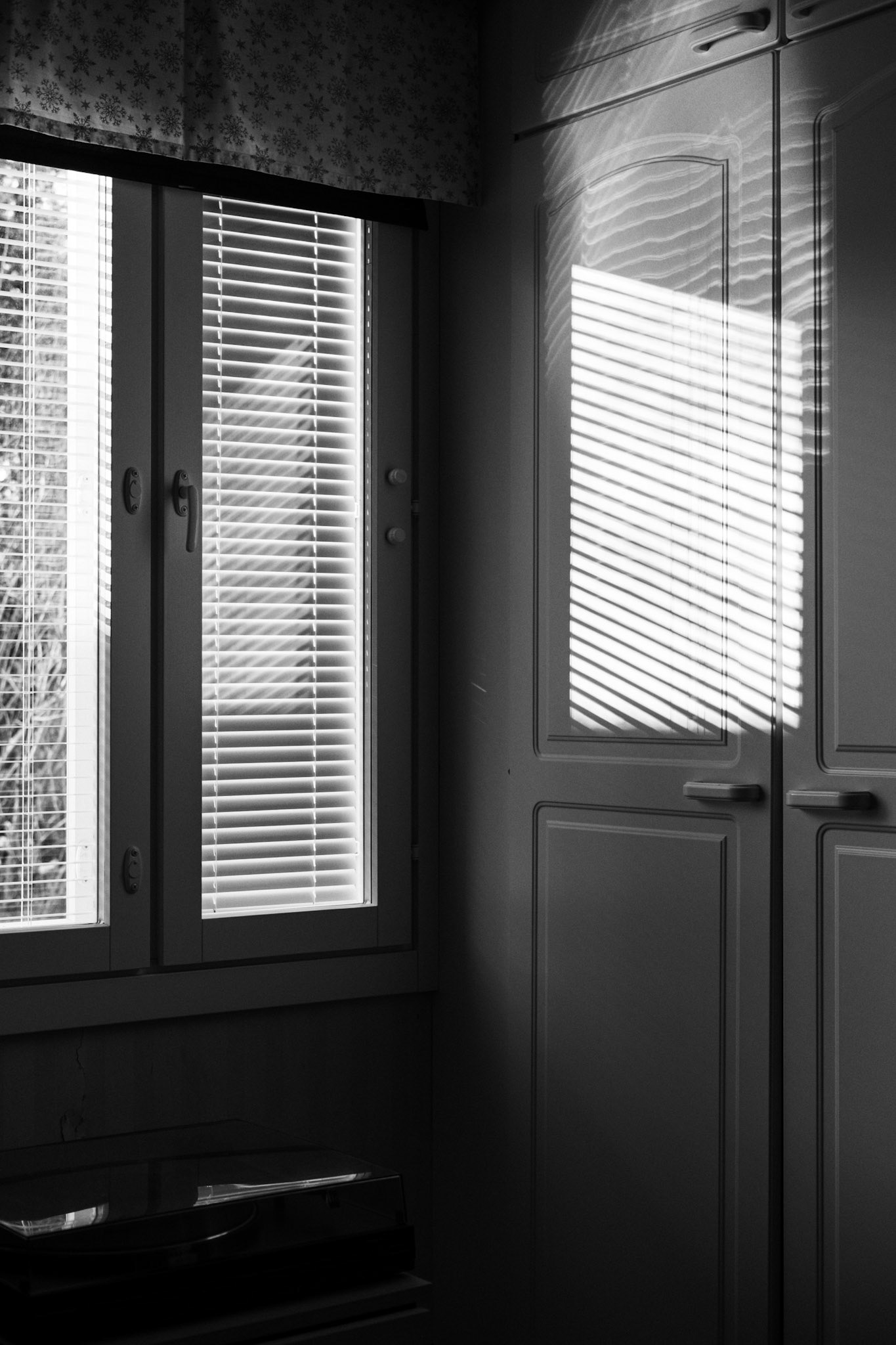
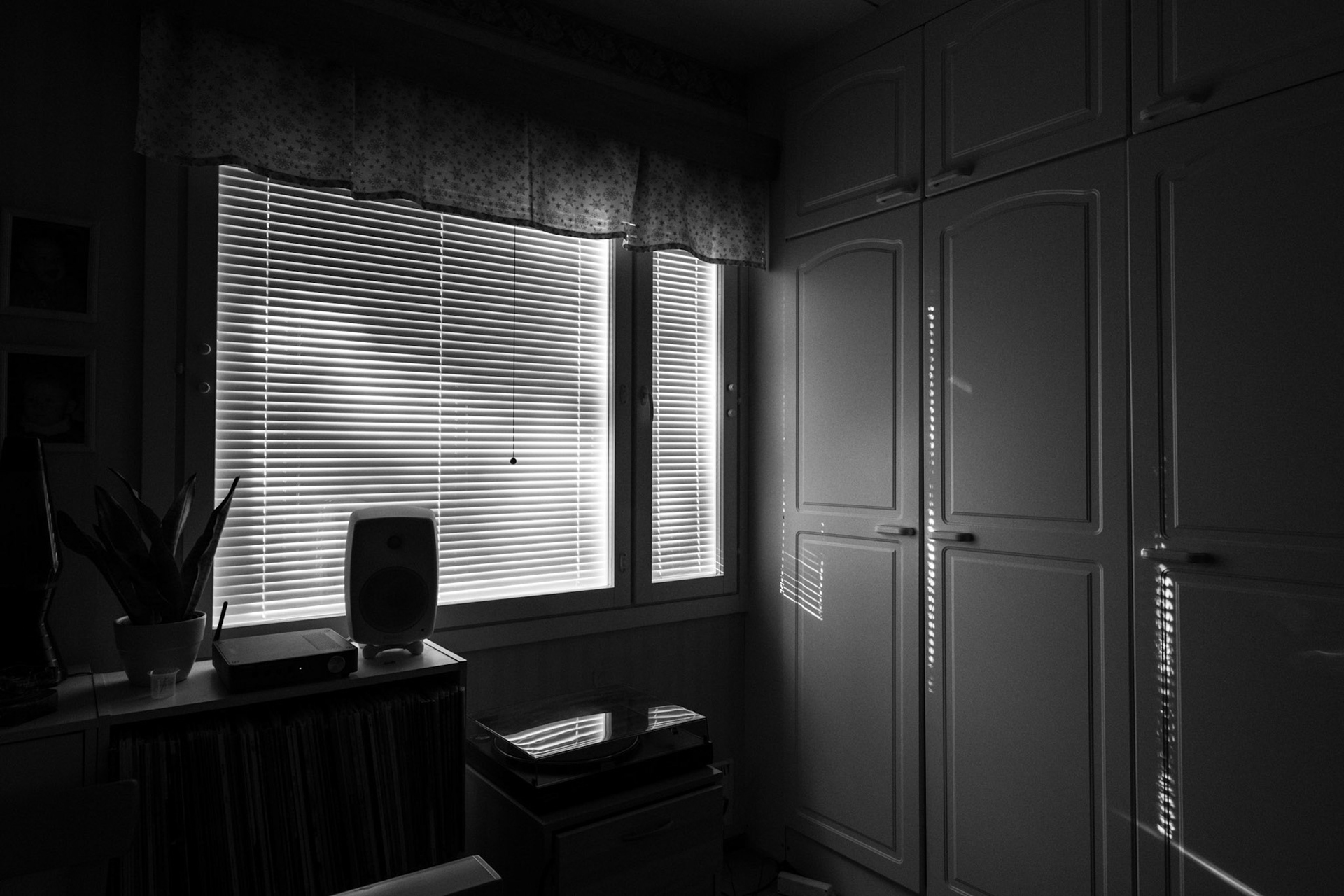
A black and white photo of closed blinds and a partially lowered blackout curtain.

The spring light is often too bright, which means that my blinds are closed and the blackout curtain is lowered. March 2026.

Most of the time, the blinds cover the windowpane—the way the light peaks through the curtains reminds me of bars of a prison cell. The view from the window is etched in my memory, even without seeing it, although I have daily moments when I can remind myself and look out of it.
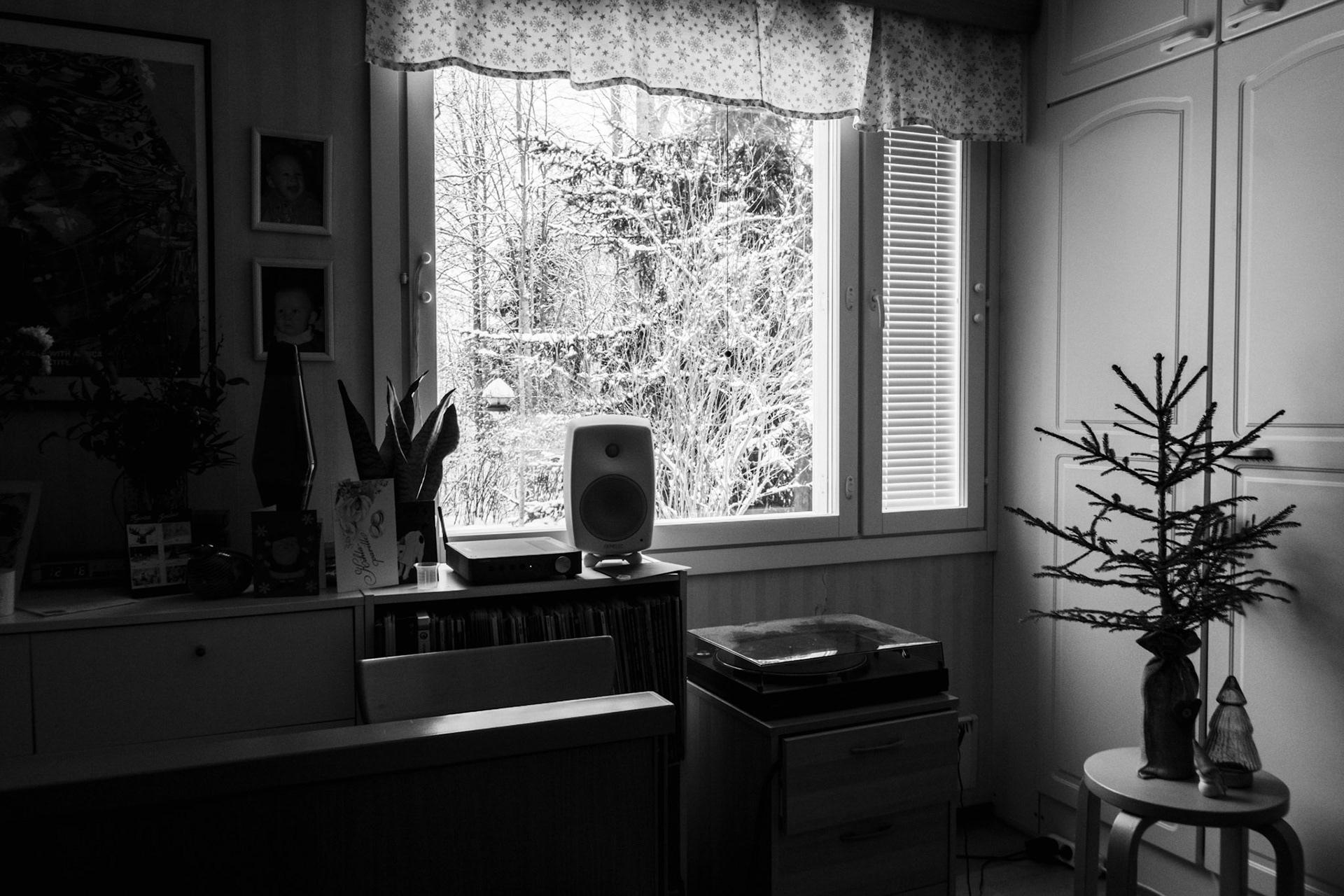
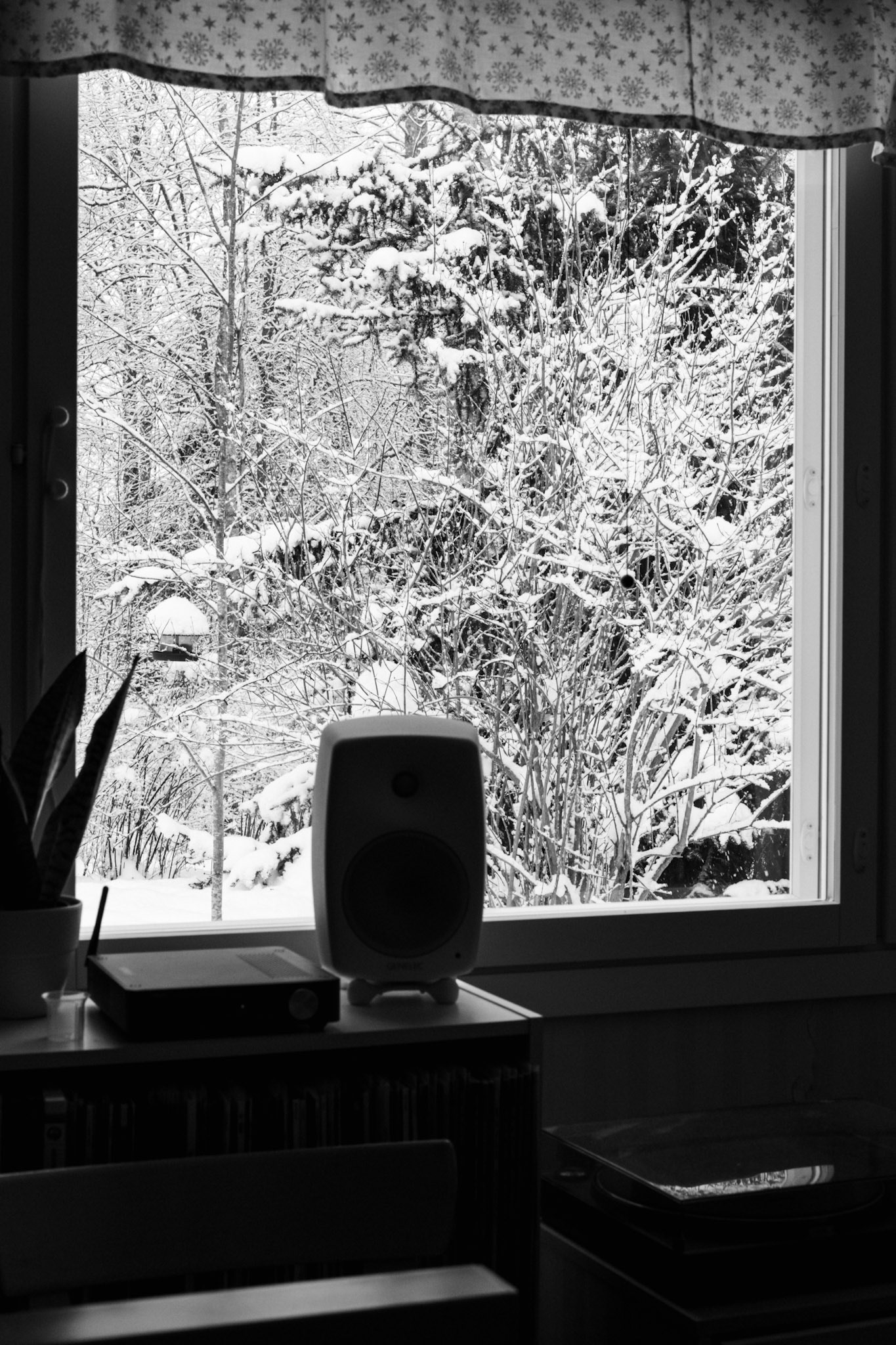
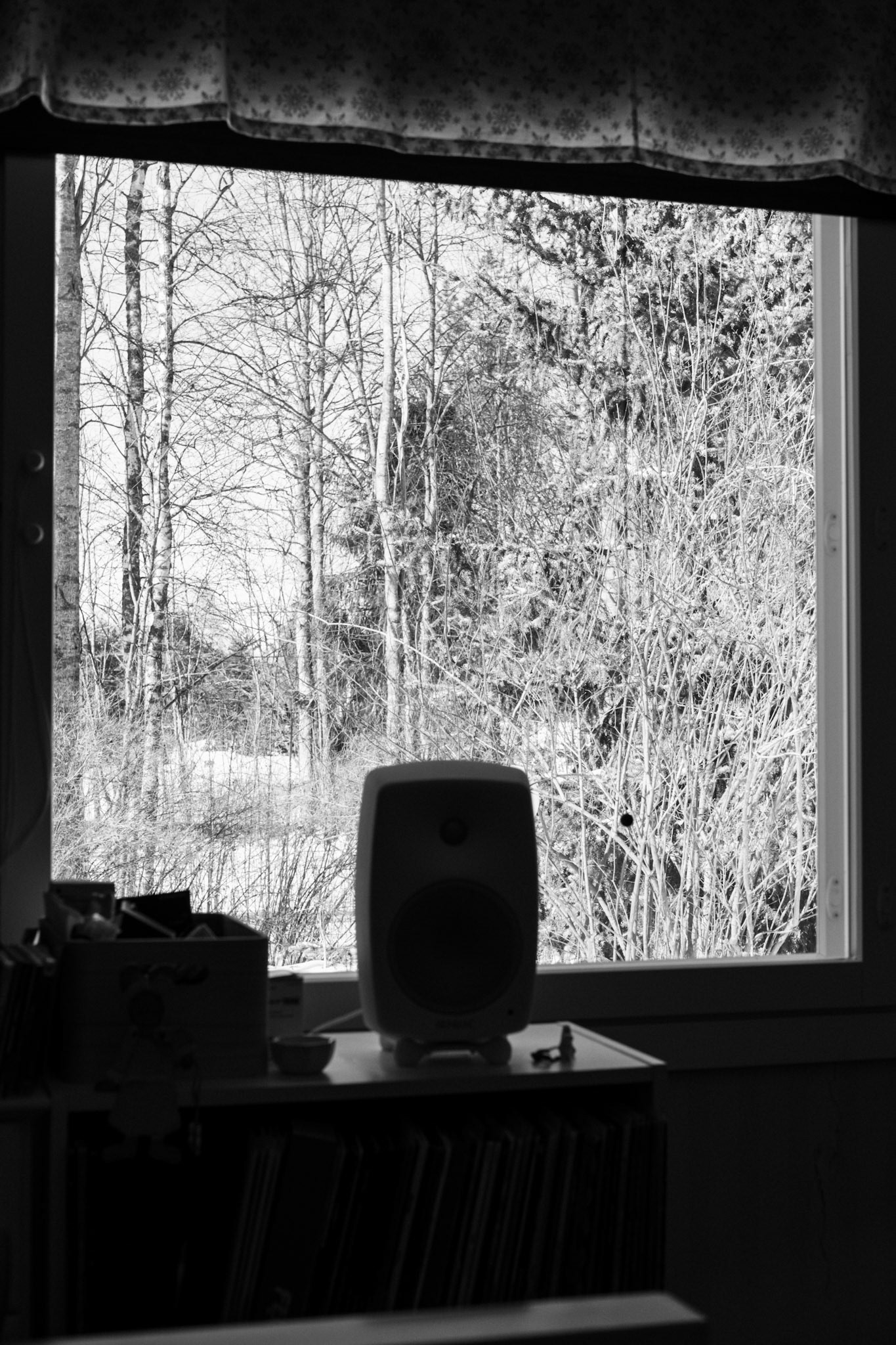
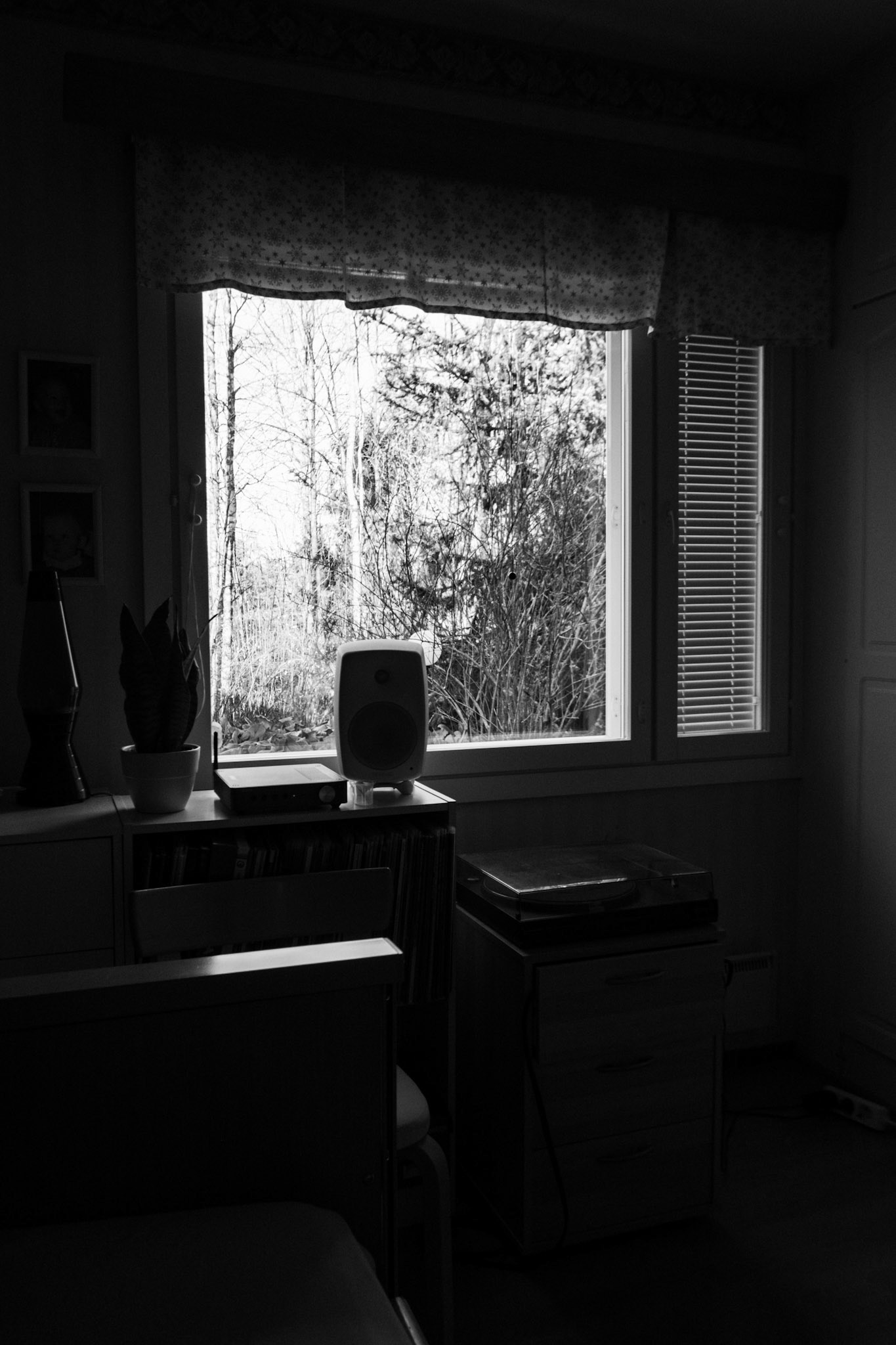
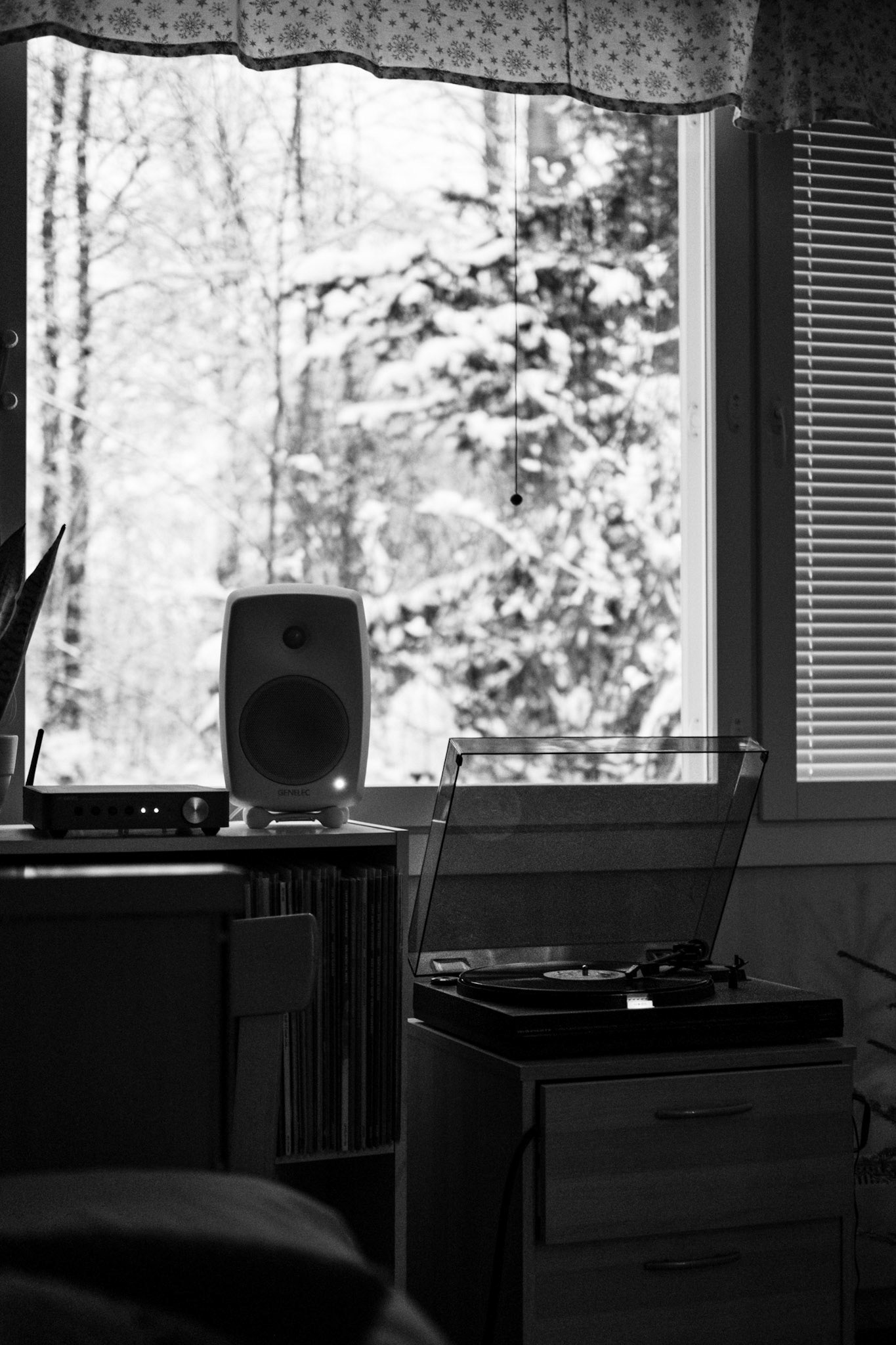
A black and white photo of a window view revealing a snowy landscape. Inside the room, there is a small Christmas tree on top of a stool, a turntable and a speaker, and various personal belongings on top of a sideboard.

Winter. A small Christmas tree decorates my room. January 2026.

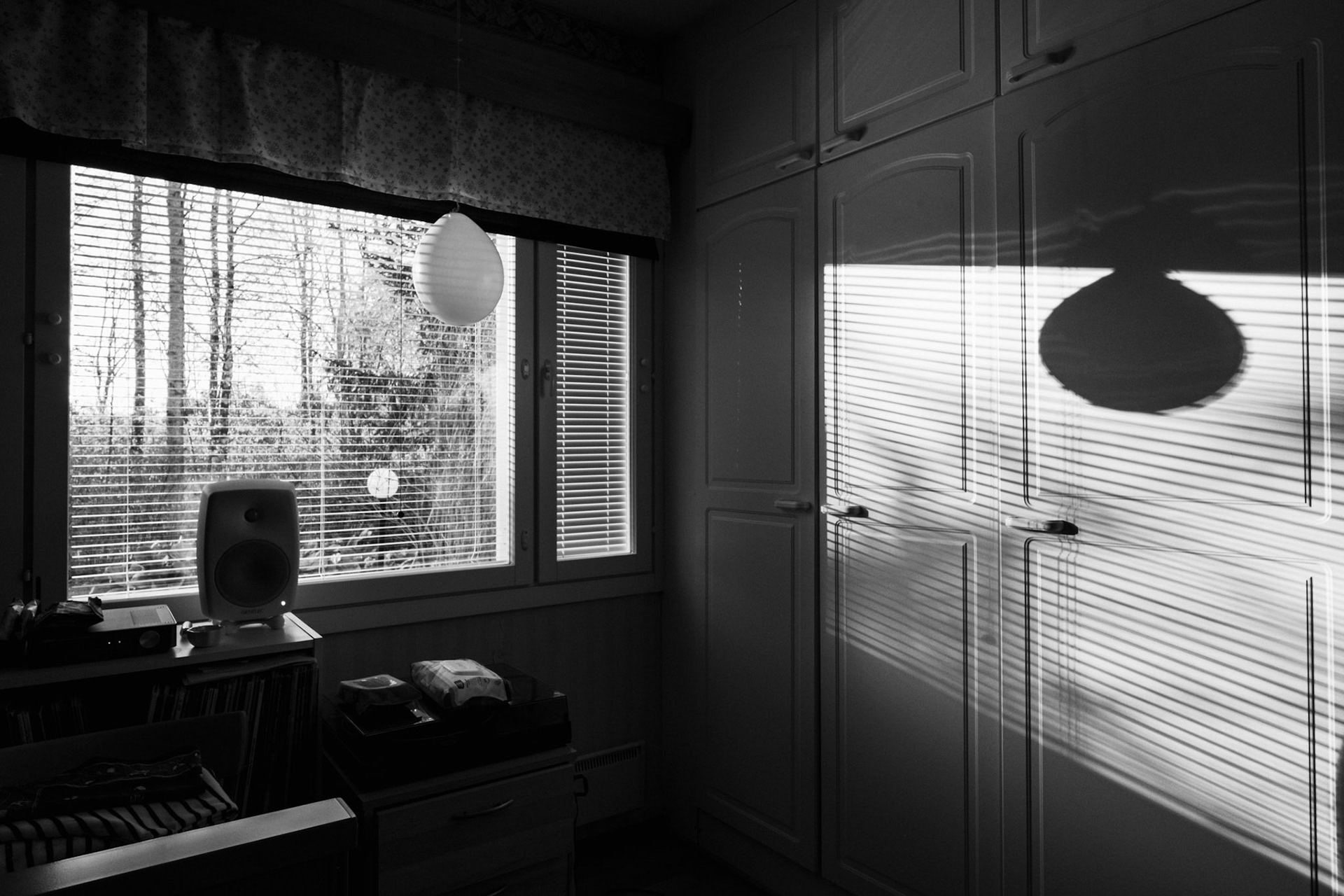
A black and white photo of a window view revealing a springy landscape. Inside the room, there is a balloon hanging in front of the window, which casts a long shadow onto a closet. There is also a turntable and a speaker, and various personal belongings on top of a sideboard.

Spring. A May Day balloon hangs from the ceiling. May 2025.

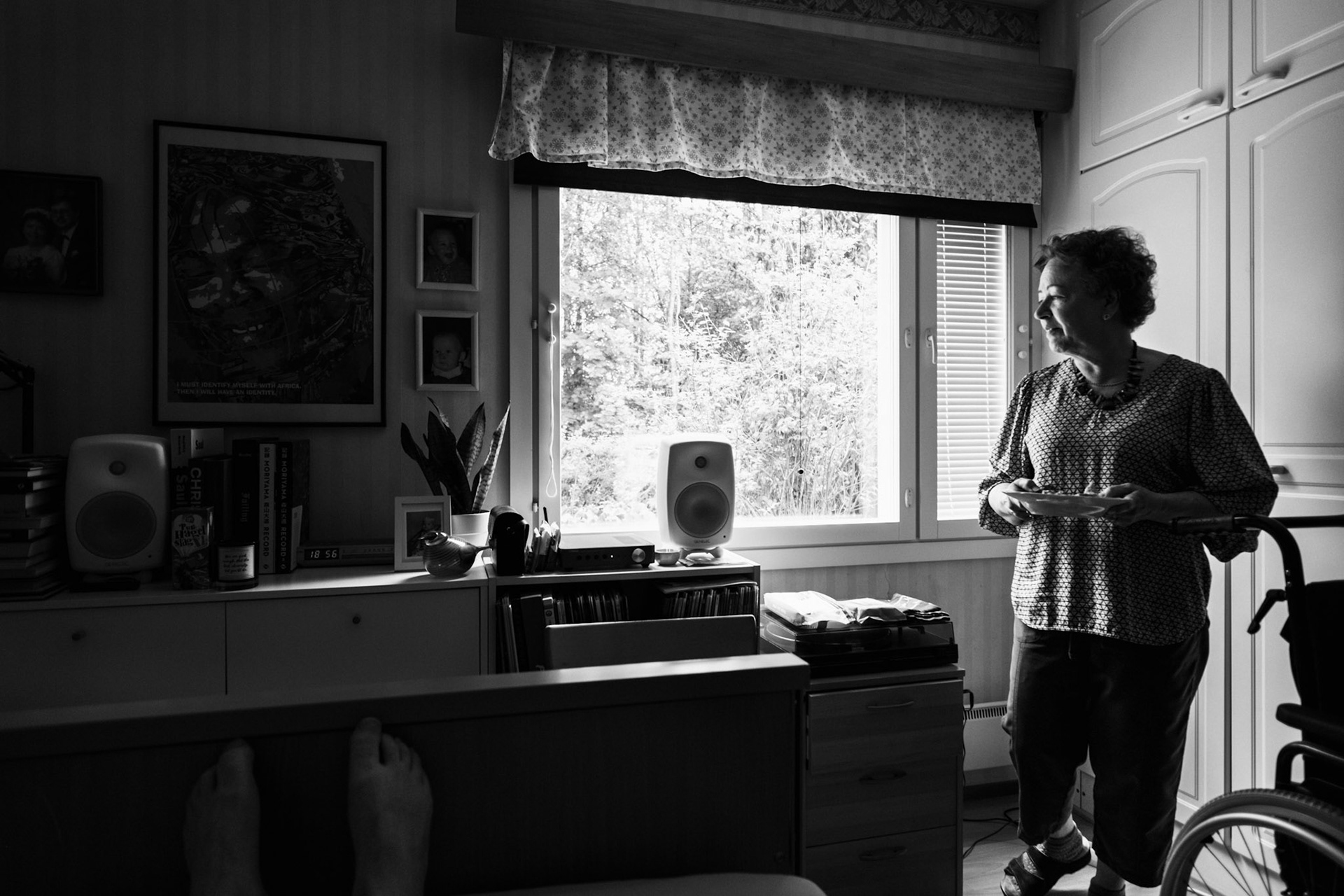
A black and white photo of a window view revealing a summer landscape. Inside the room, Niko’s mother has brought him his lunch. She is holding a plate in her hands. There is a turntable and a speaker, and various personal belongings on top of a sideboard.

Summer. My mother brought me my lunch. June 2025.

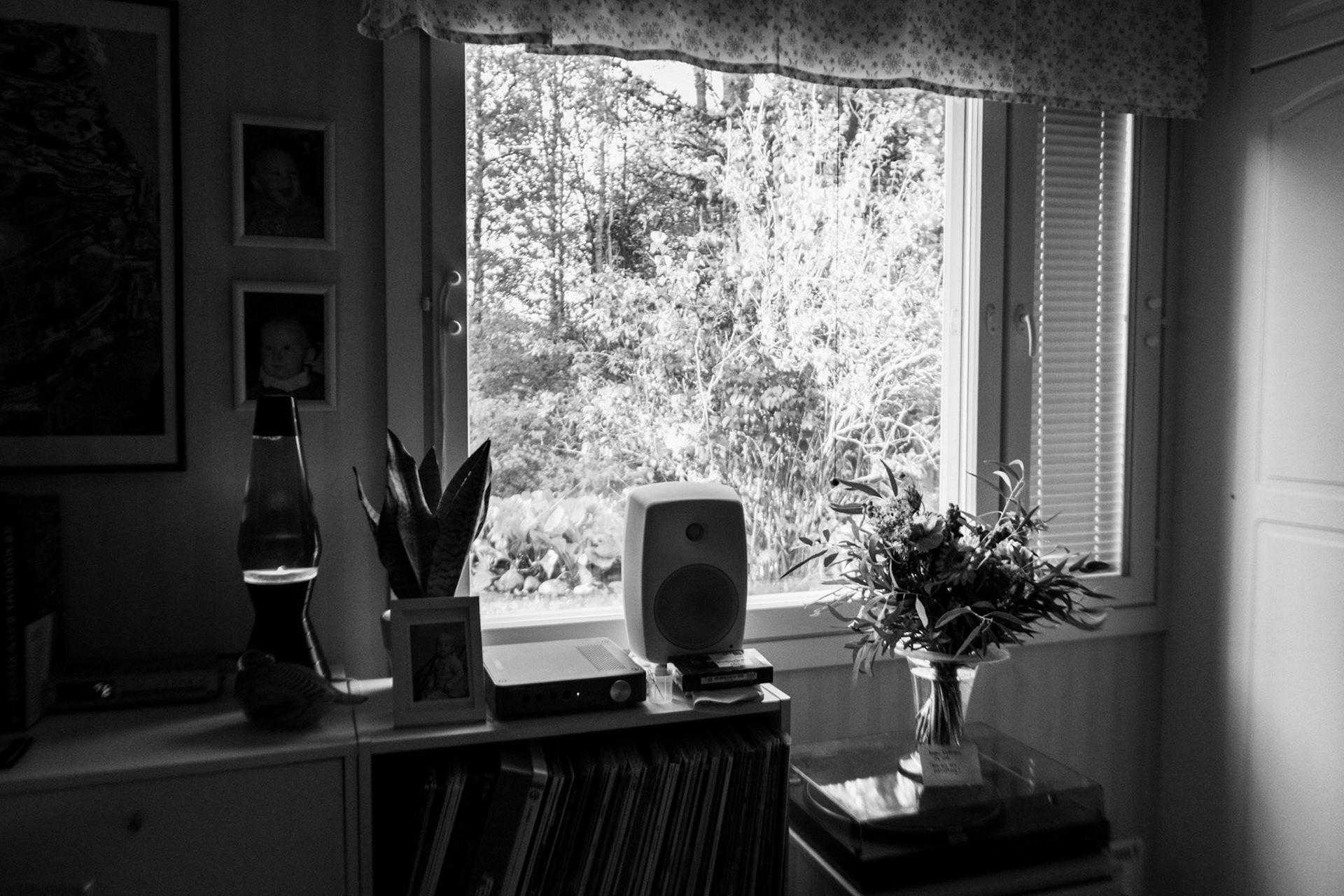
A black and white photo of a flower bouquet on a record player, next to a window that illuminates natural light inside the room.

Autumn. A bouquet my long-distance partner sent to me on my birthday. September 2025.

When you are trapped in one bedroom for years on end, the passage of time feels weird—it just stands still. The window is my reminder that time indeed moves forward; the seasons change, like someone would place a new painting for me to look at quarterly.
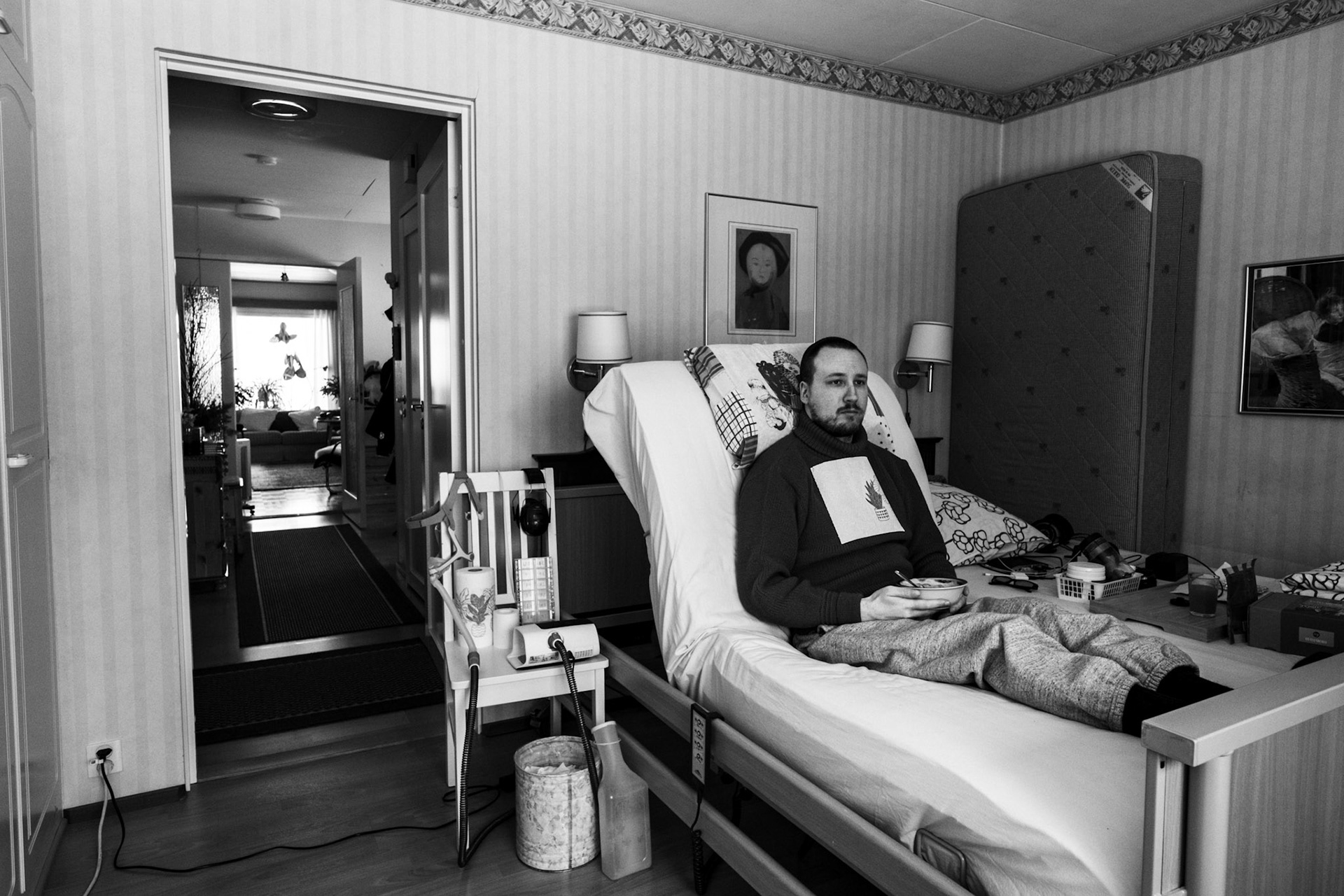
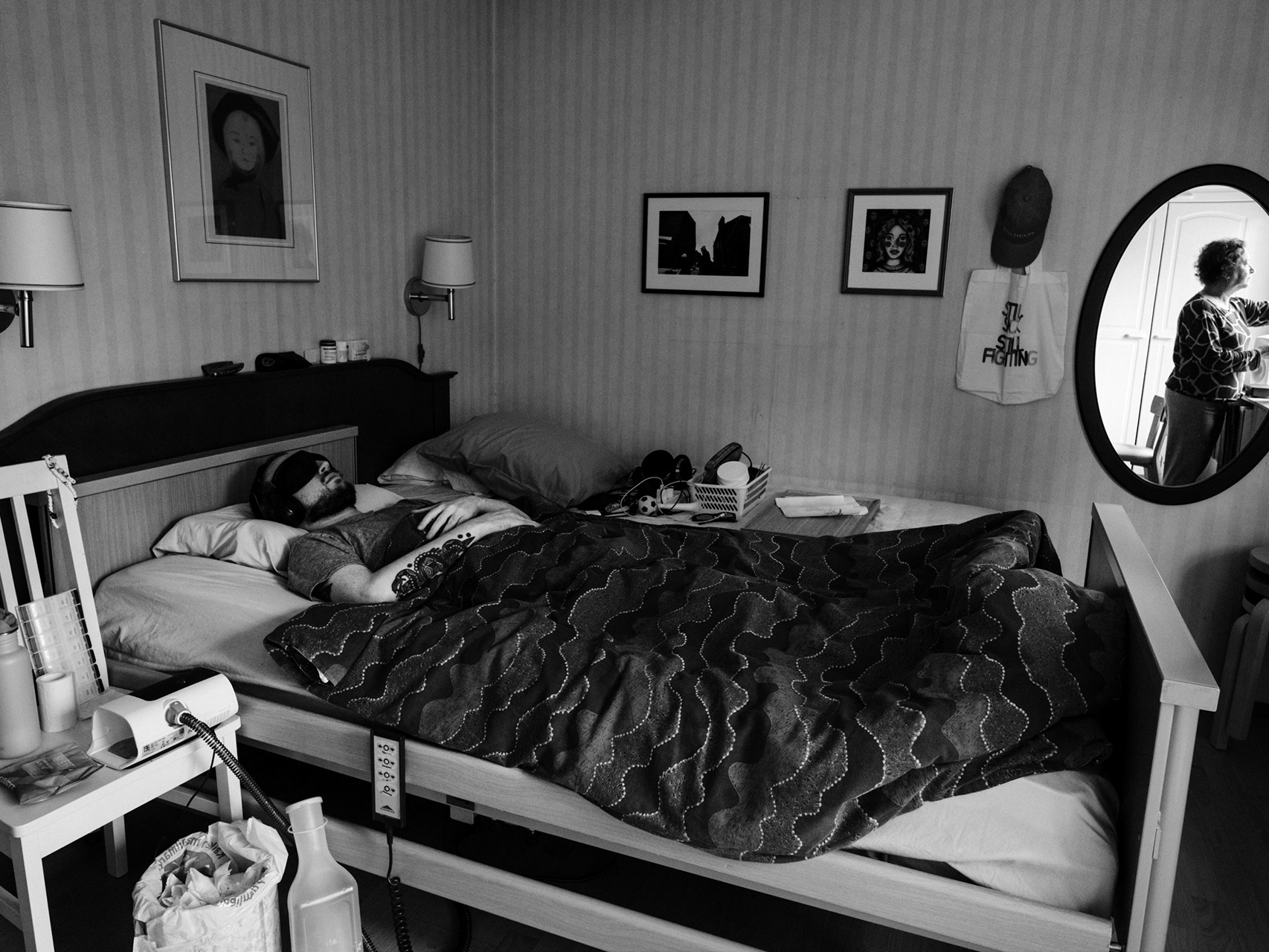
A black and white photo of Niko sitting upright in a medical bed, eating a bowl of yoghurt, and looking out of the window. A CPAP machine and medical equipment are beside the bed.

We always keep the curtains open while I eat. January 2025.

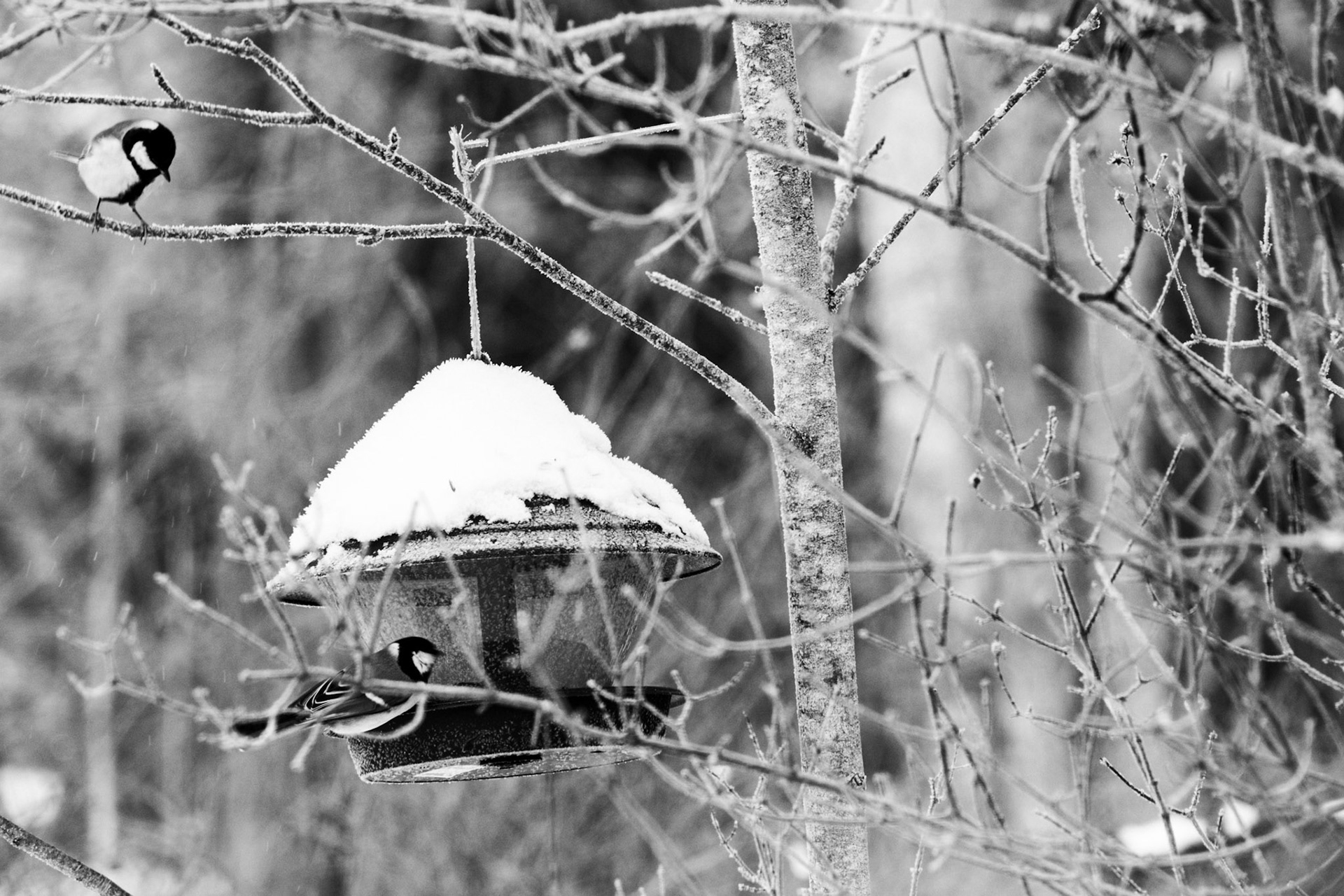
A black and white photo of two great tits visiting a bird feeder.

The bird feeder only hangs outside my window during the colder months. January 2026.

A black and white photo of a snowy landscape outside of a window. A bird feeder hangs from a stick. The snow weighs down the branches of a spruce.

The snow looks beautiful on the branches, and you can see how it weighs down the spruce. February 2026.
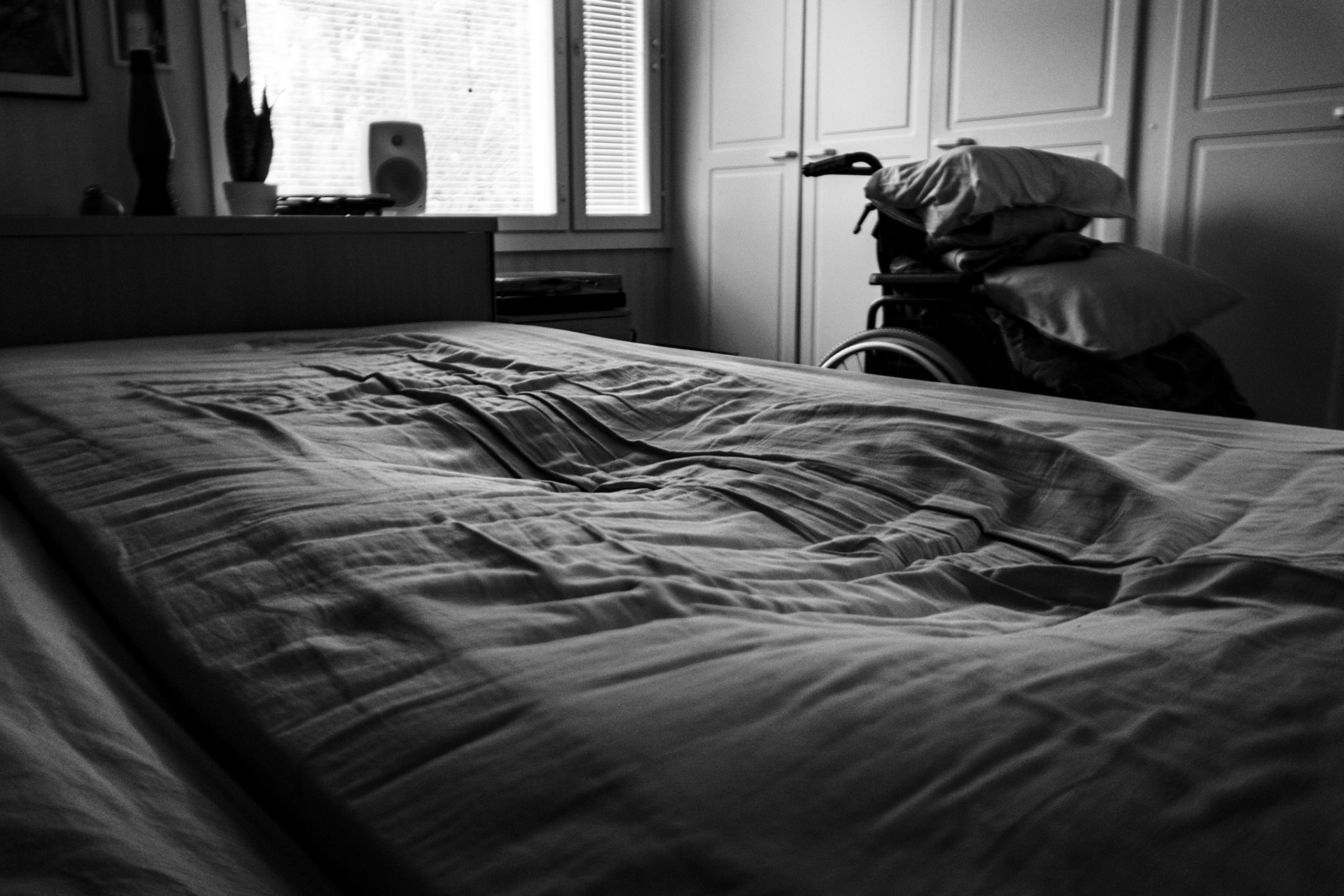
A black and white photo of an empty bed, which shows the dip of a human silhouette. A wheelchair, personal belongings, and a window are seen in the background.

I’m waiting for my mother to change my bedding. The shape of my body is carved into the mattress. November 2025.
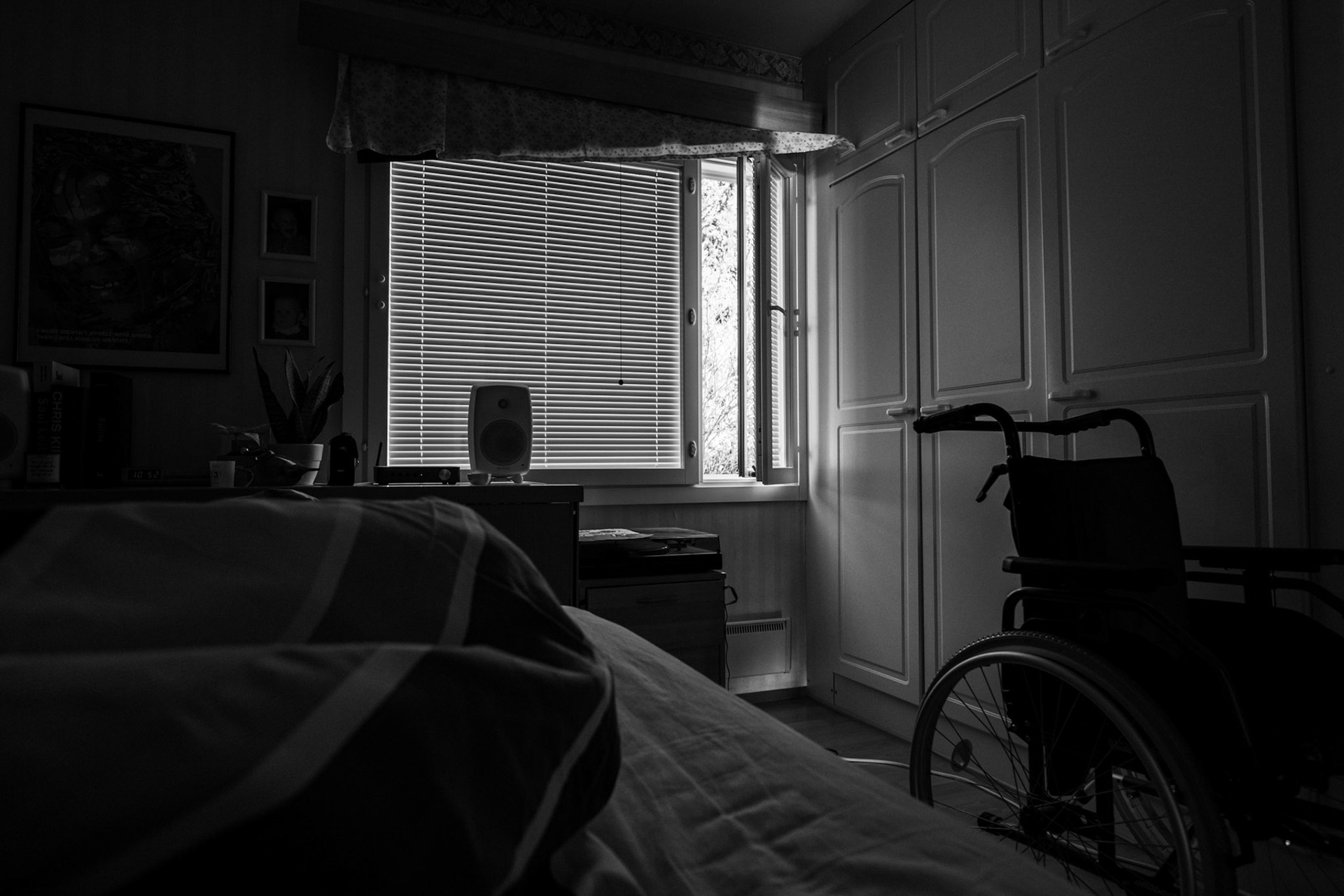
During the darker winter months, the blinds are open longer. The birds come to the feeder placed outside my window, and they often eat at the same time as I’m upright and eating. Snow weighs down the branches of the huge spruce just as heavily as gravity pulls me deeper into the mattress.
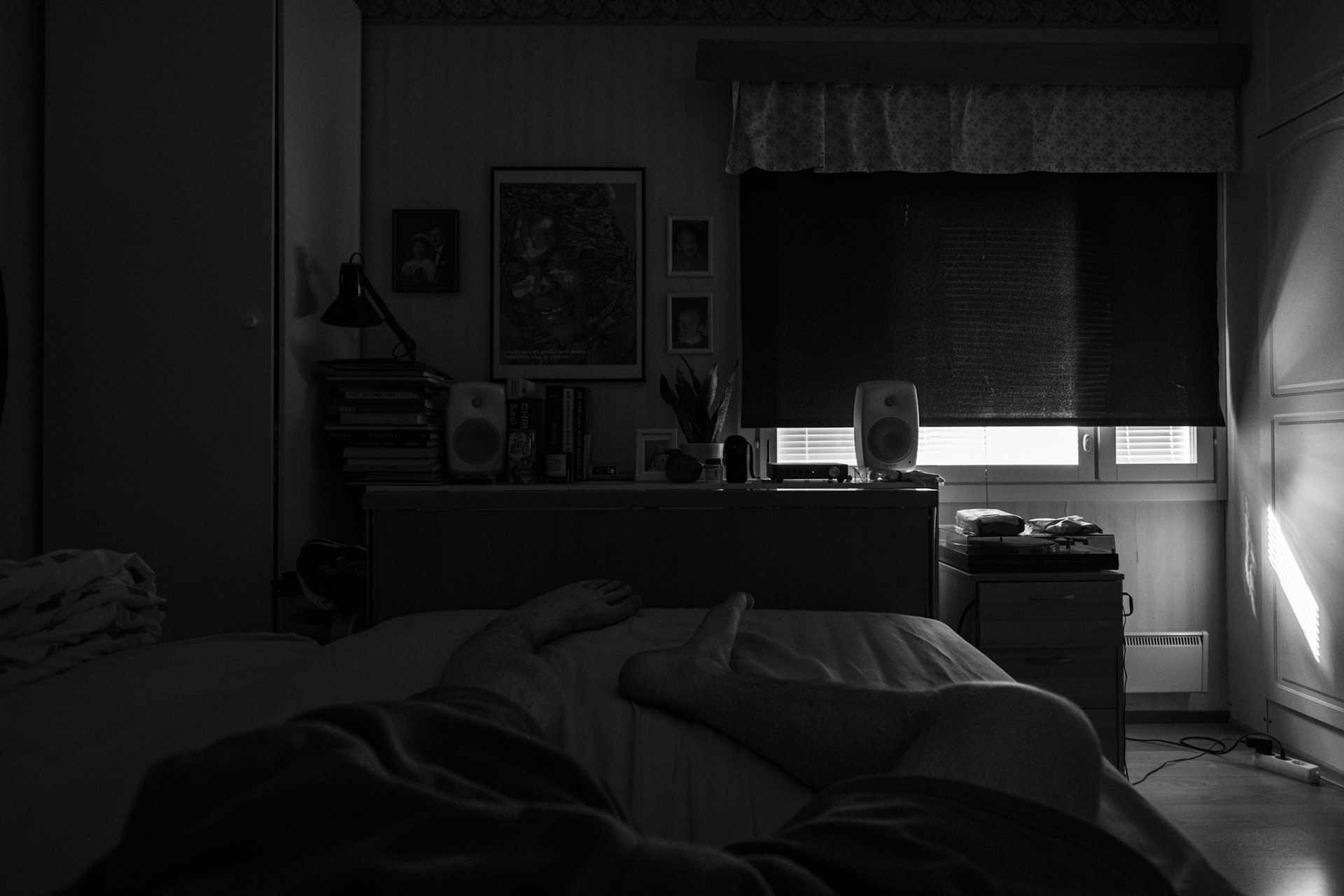
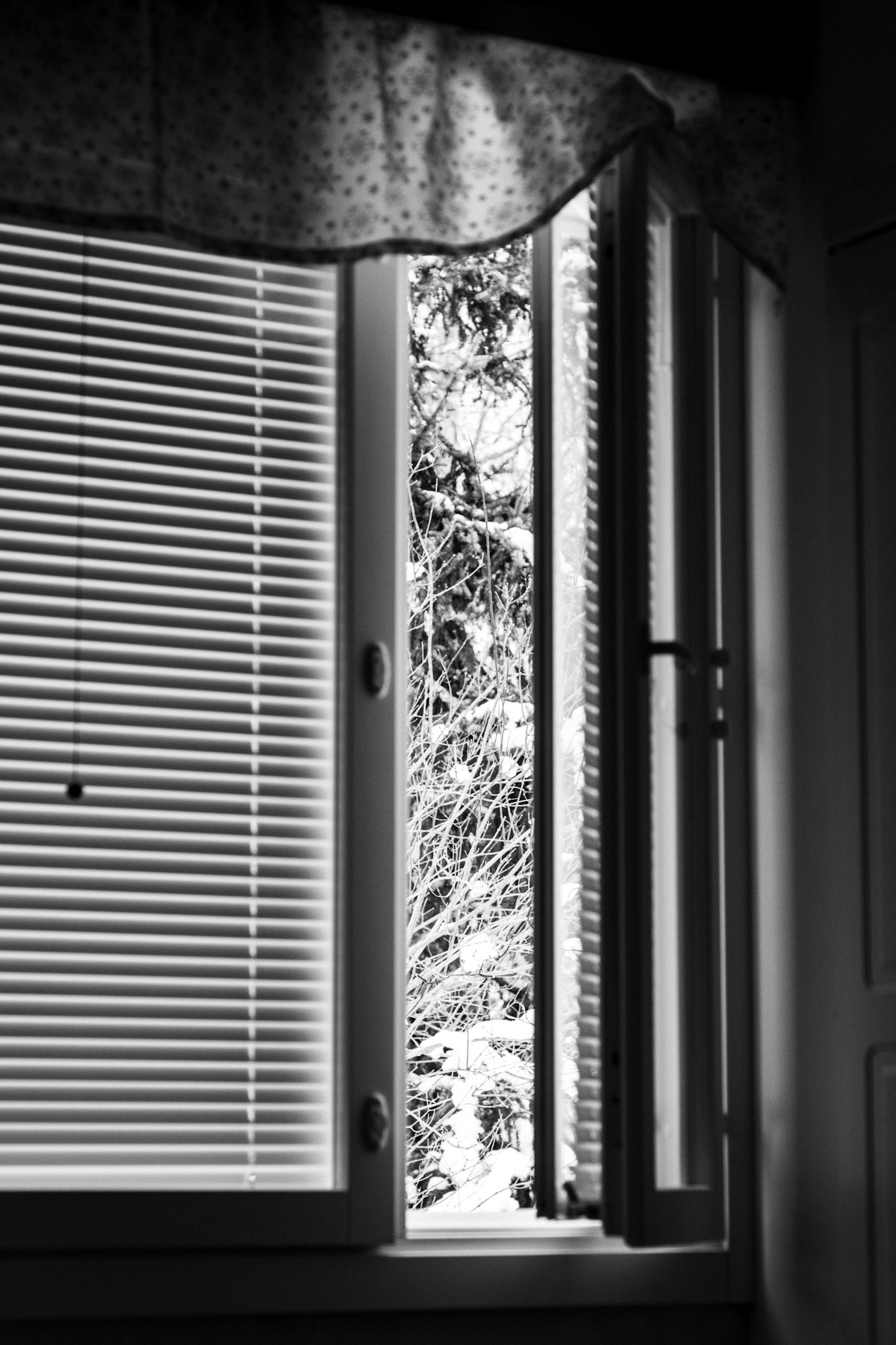
A black and white photo taken from Niko’s point of view while he lies in bed. The room is dark; the blinds are closed but the side window is open. A wheelchair is visible next to the bed.

Every morning, my mother opens my window so I can have fresh air in the room. March 2025.
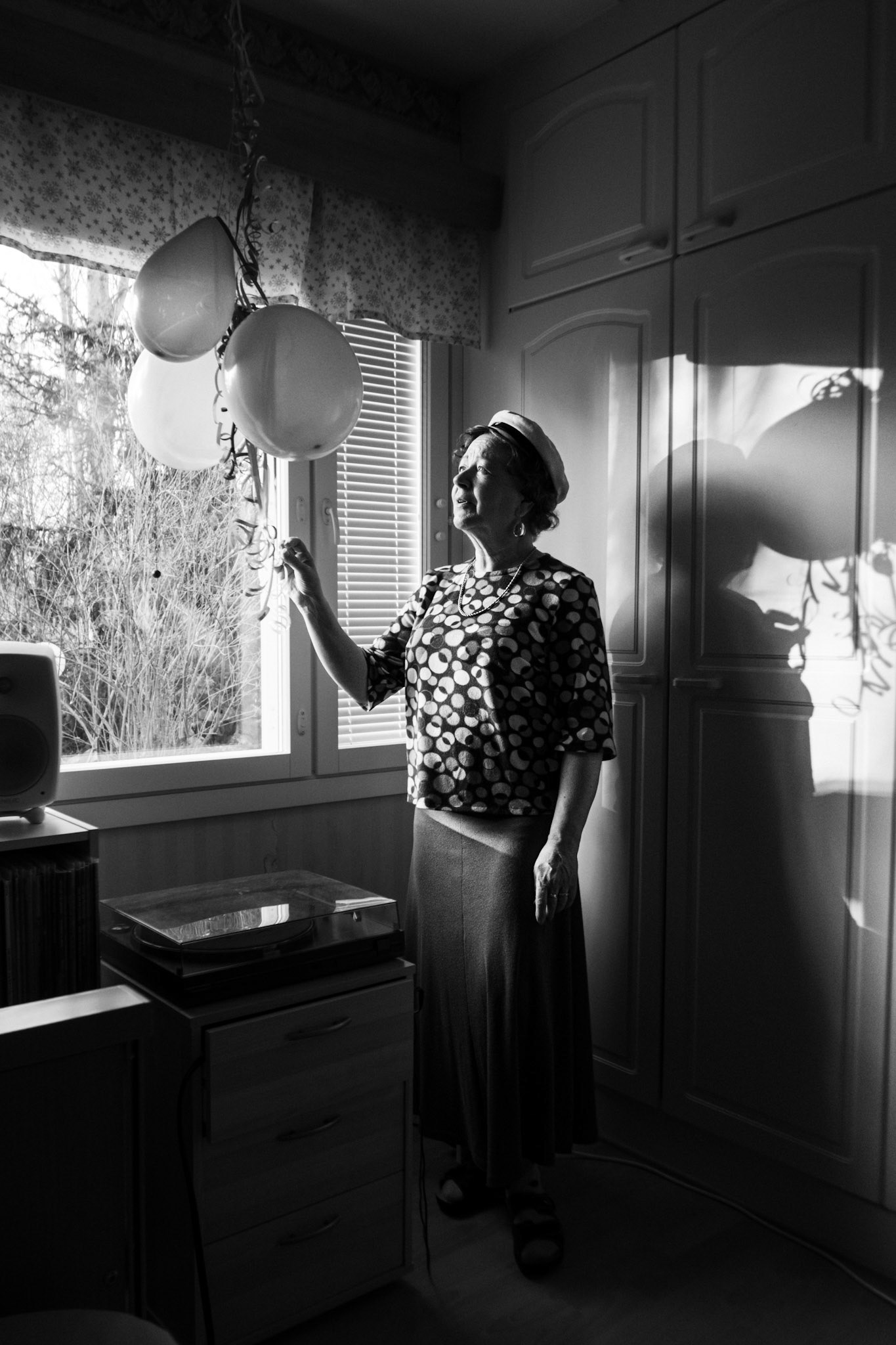
A black and white photo of Niko’s mother wearing her graduation hat and standing next to a window. Two balloons and ribbons hang in front of the window.

We celebrate May Day, and my mother wears her graduation hat which is a tradition. April 2024.

A black and white photo of leafless trees outside a window.

Eventually, the leaves will grow on the nearby trees. April 2024.

The snow melts slowly during spring, and my blinds stay closed the longer we get closer to summer. Every year, during May Day, my mother hangs balloons in the window. The leaves of the nearby trees start to grow as their cells expand while mine wither.
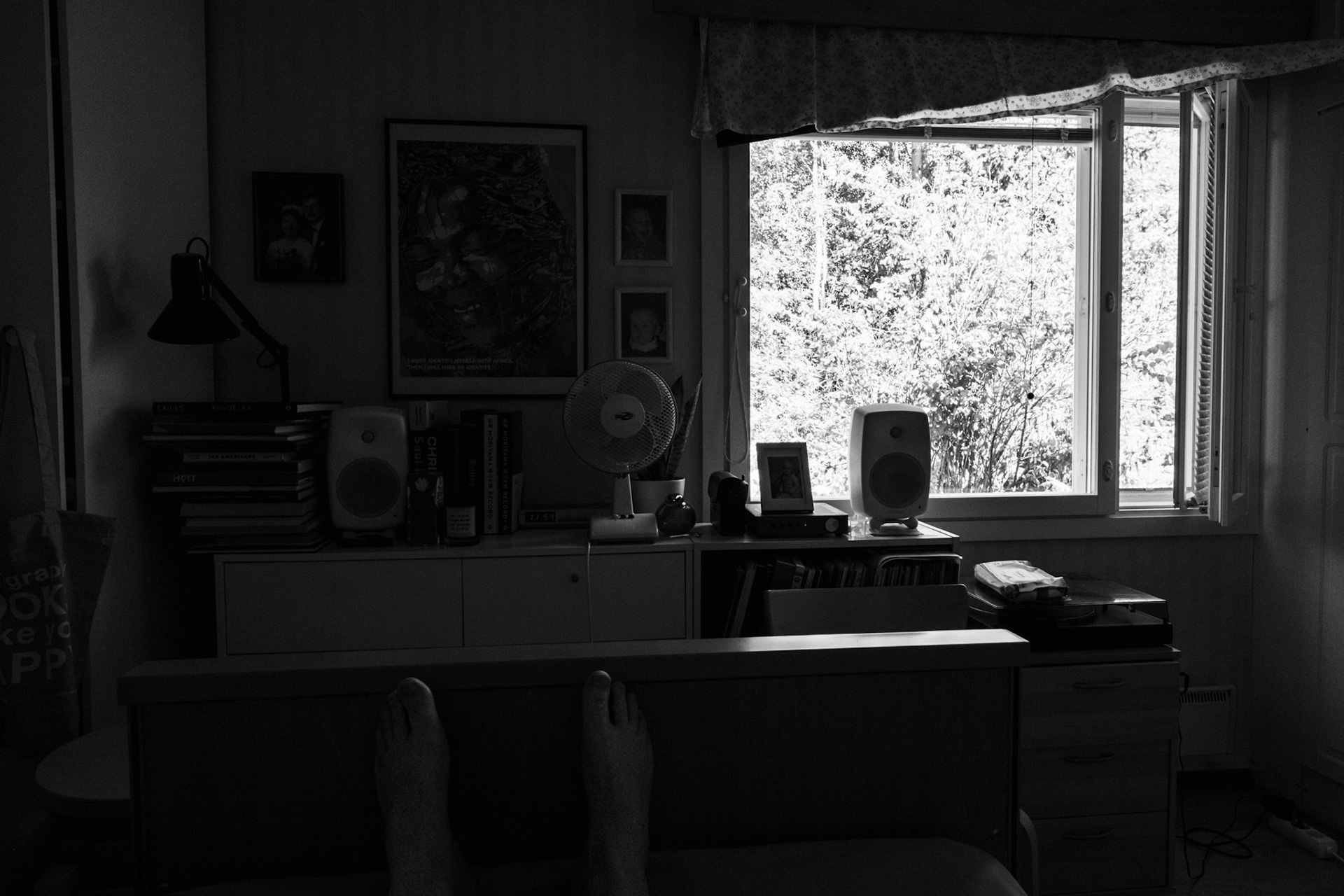
A black and white photograph of a view from a bedroom window to outside, with trees and vegetation filling the window view. The small side window is open. A sideboard has a fan on top of it.

The curtains and the window are open during my breakfast. August 2025.

A black and white photo taken from Niko’s point of view while he lies on his bed. The blackout curtain almost fully covers the window.

The brightness and the heat of the summer force me to keep my curtains closed. July 2025.

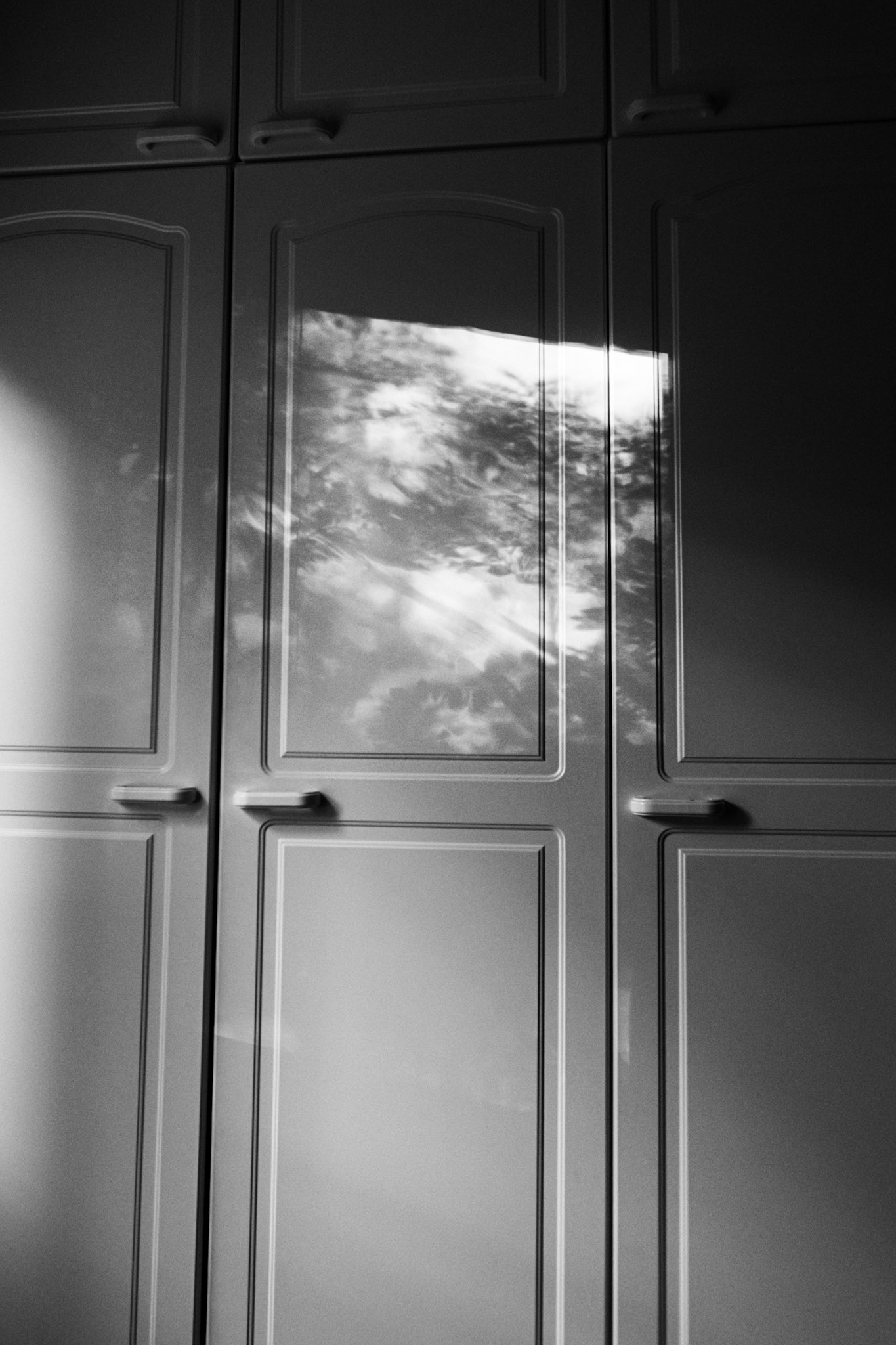
A black and white photo of tall white wardrobe doors, with sunlight casting reflections of trees from outside, forming abstract patterns on the glossy surface.

The last rays of the summer penetrate through the woods and cast a shadow on the closet’s doors. I won’t see this kind of light in my room until next year. August 2025.

The birds don’t visit the feeder during the summer months. I’m lucky if I can catch a butterfly flying across the view. At the height of the heat, the white Jasmine flowers bloom right outside of my window while my blackout curtain protects me from the piercing brightness.
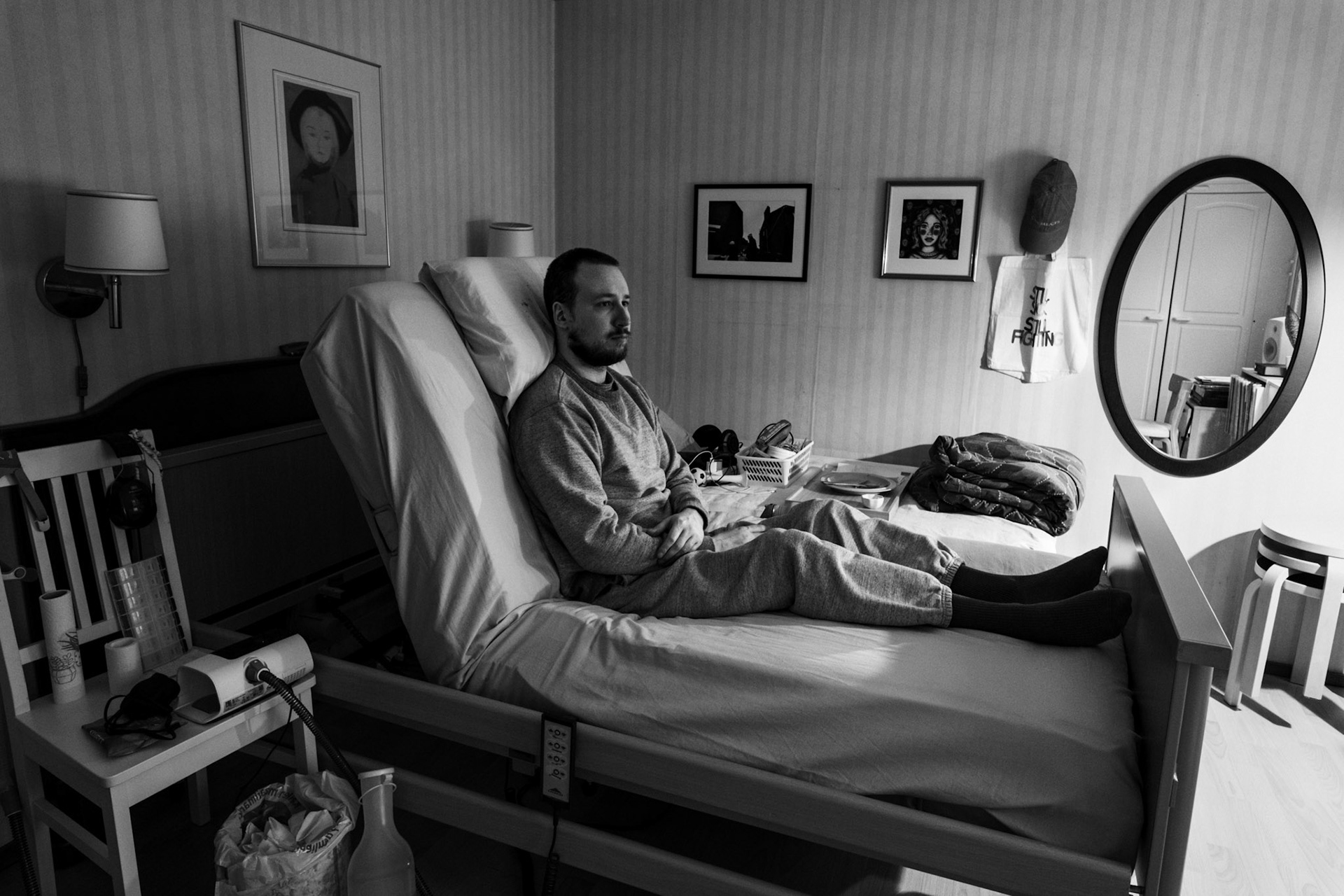
A black and white photo of Niko sitting upright in a medical bed, his arms crossed and he looks out of the window. The room has a dim light. A CPAP machine and medical equipment are beside the bed.

It was already dark when I finished my lunch. November 2025.

A black and white photo of leafless trees outside a window.

A rare glimpse of sunshine during the darkest time of the year. November 2025.
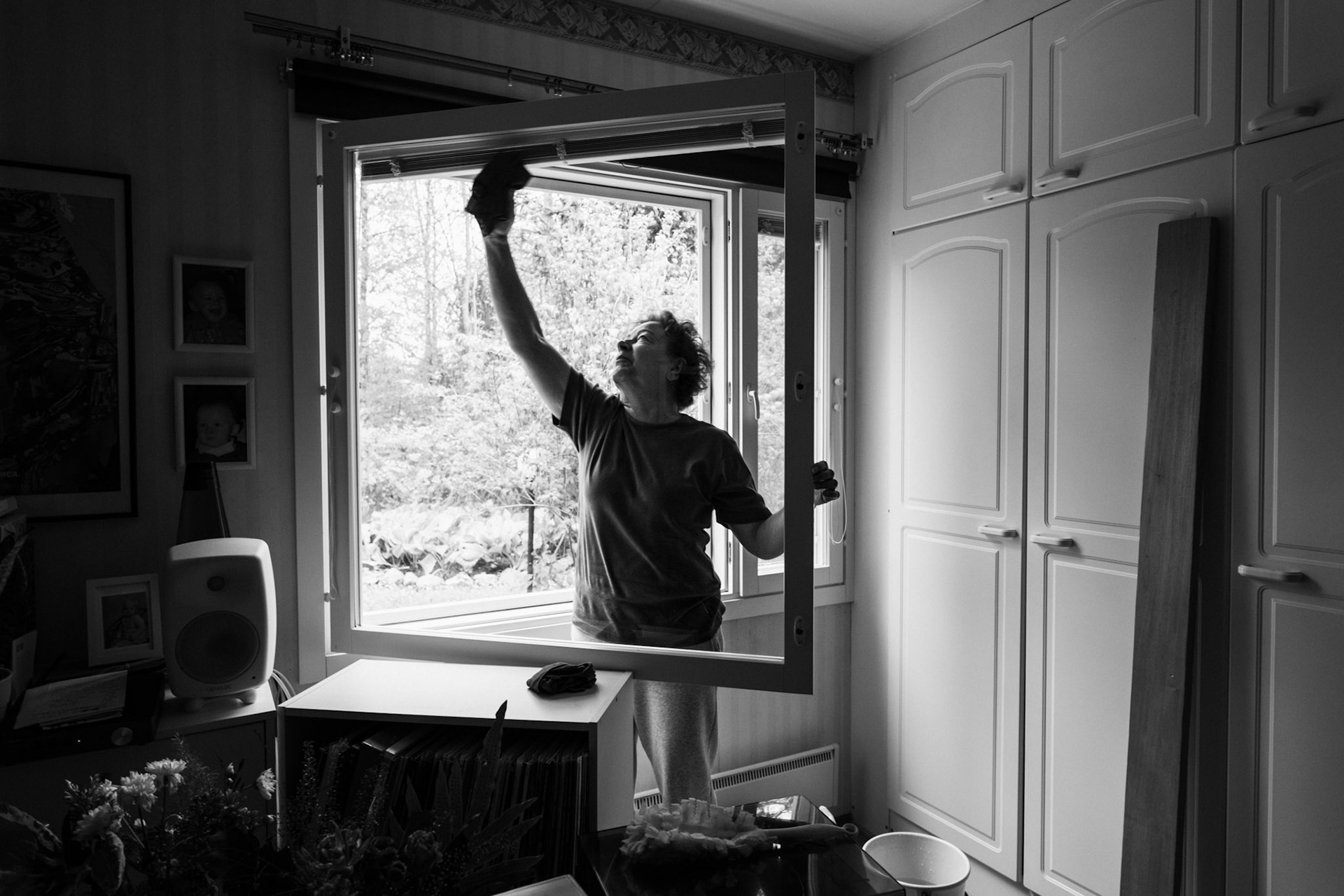
A black and white photo of an older woman washing an open window inside a bedroom. She’s facing the camera and reaching with her hand to wash the upper part of the window. Light comes through the open window. Personal belongings are visible on a shelf.

Every autumn, my mother washes my window. October 2025.

Slowly, the heat of summer makes room for the colder autumn. The nearby wood area next to our border has turned into beautiful colours of yellow and red. The leaves of the Jasmine have withered. The looming frost and growing darkness don’t spare nature, but it is my ally as I start to feel a bit better.
A black and white close-up photo of raindrops on a windowpane.

The winter rain melts the snow and lashes against my window. March 2026.

A black and white photo of a turntable playing a vinyl record. A snowy landscape is seen from the window in the background.

A rare moment of music and a beautiful winter view. February 2026.

A black and white photo of an open side window in an otherwise dark bedroom.

It’s been two years since the last time I was outside of my house. Being out there, surrounded by intense smells of nature, and having that strong breeze on my skin has now been reduced to a memory. February 2026.

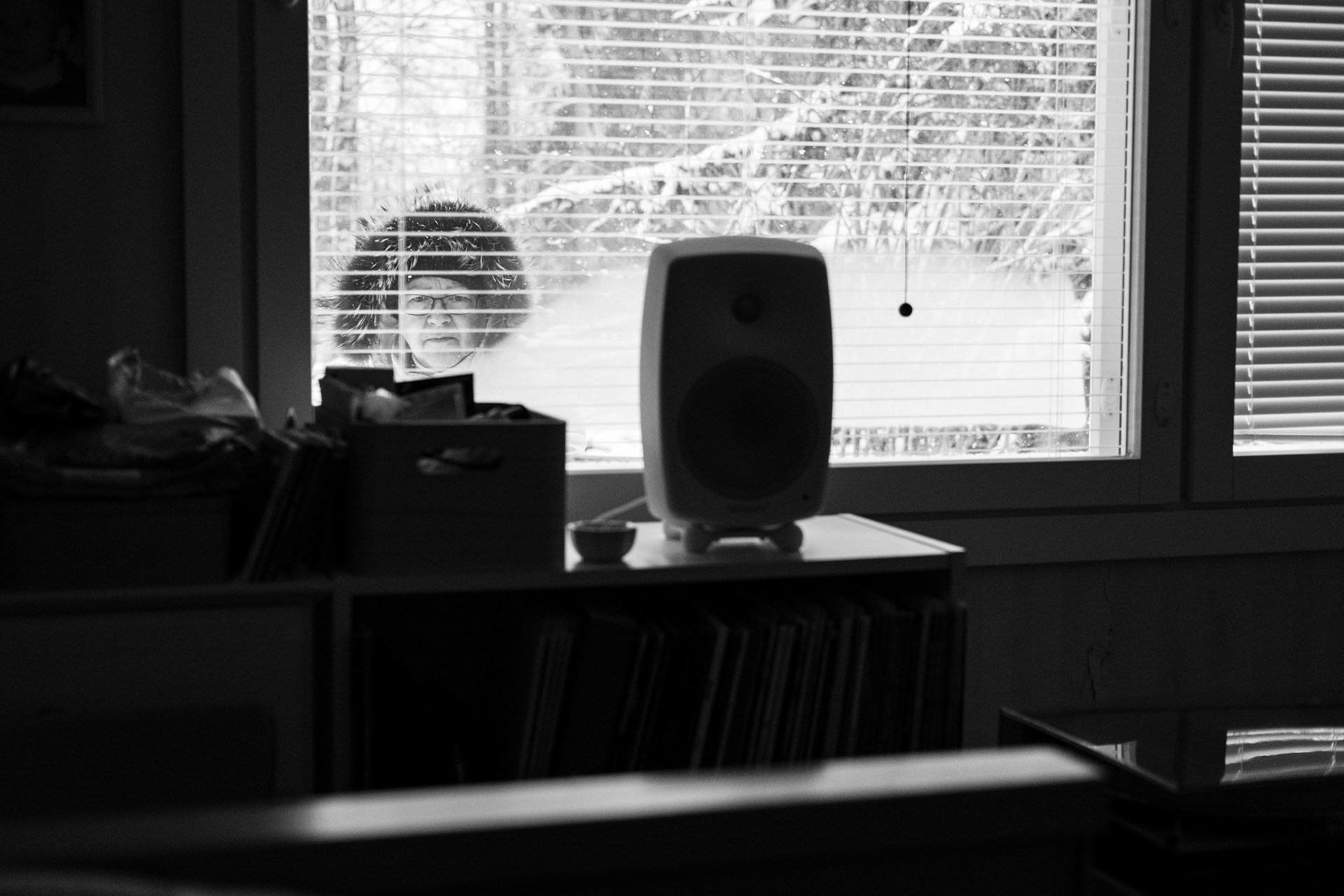
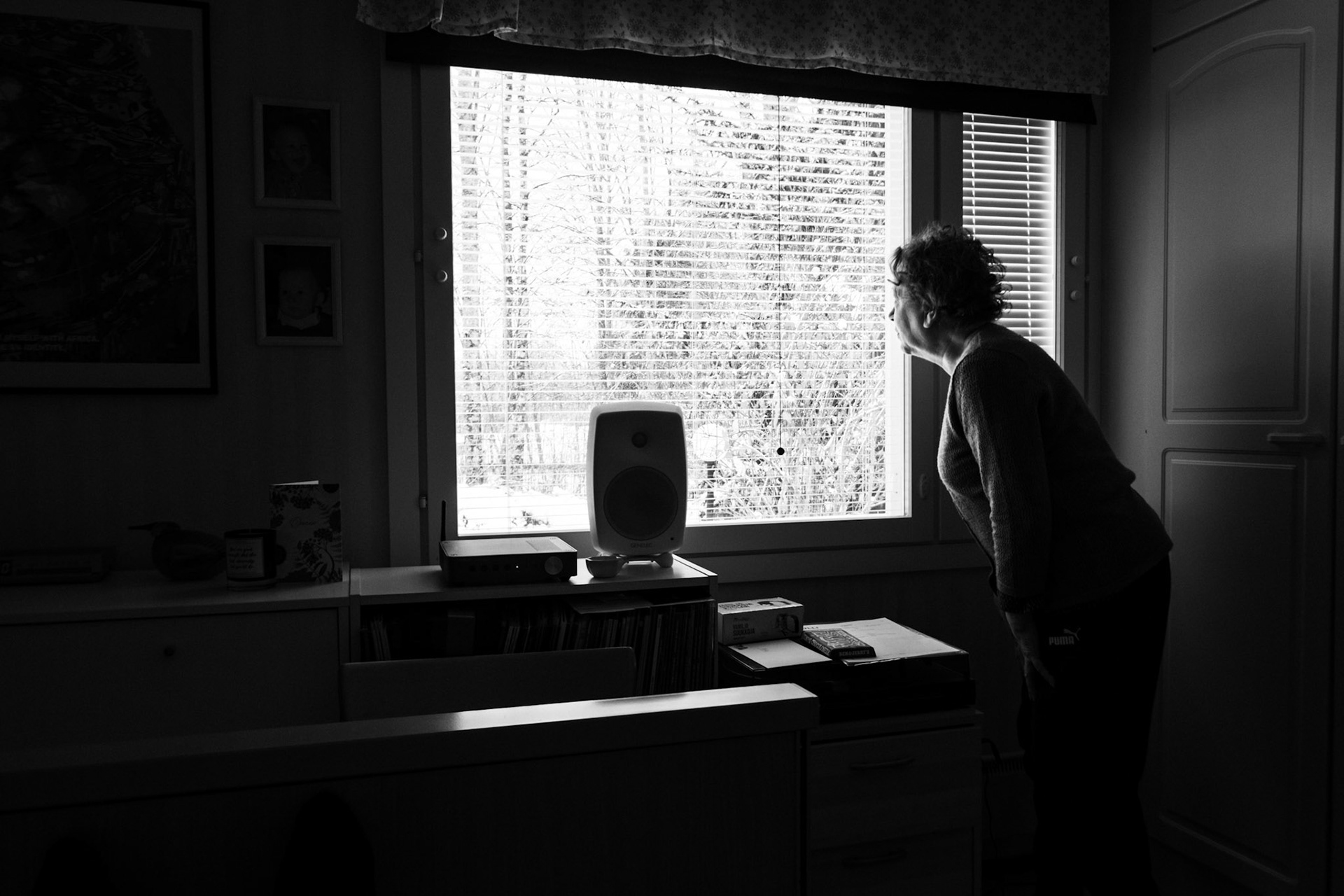
A black and white photograph of a woman, Päivi, standing inside a dimly lit room, leaning forward to look out of a window. The window reveals a snowy landscape outside, while the room is filled with furniture, books, and various objects.

The first snow of the year covers the ground as my mother looks out of the window. November 2024.

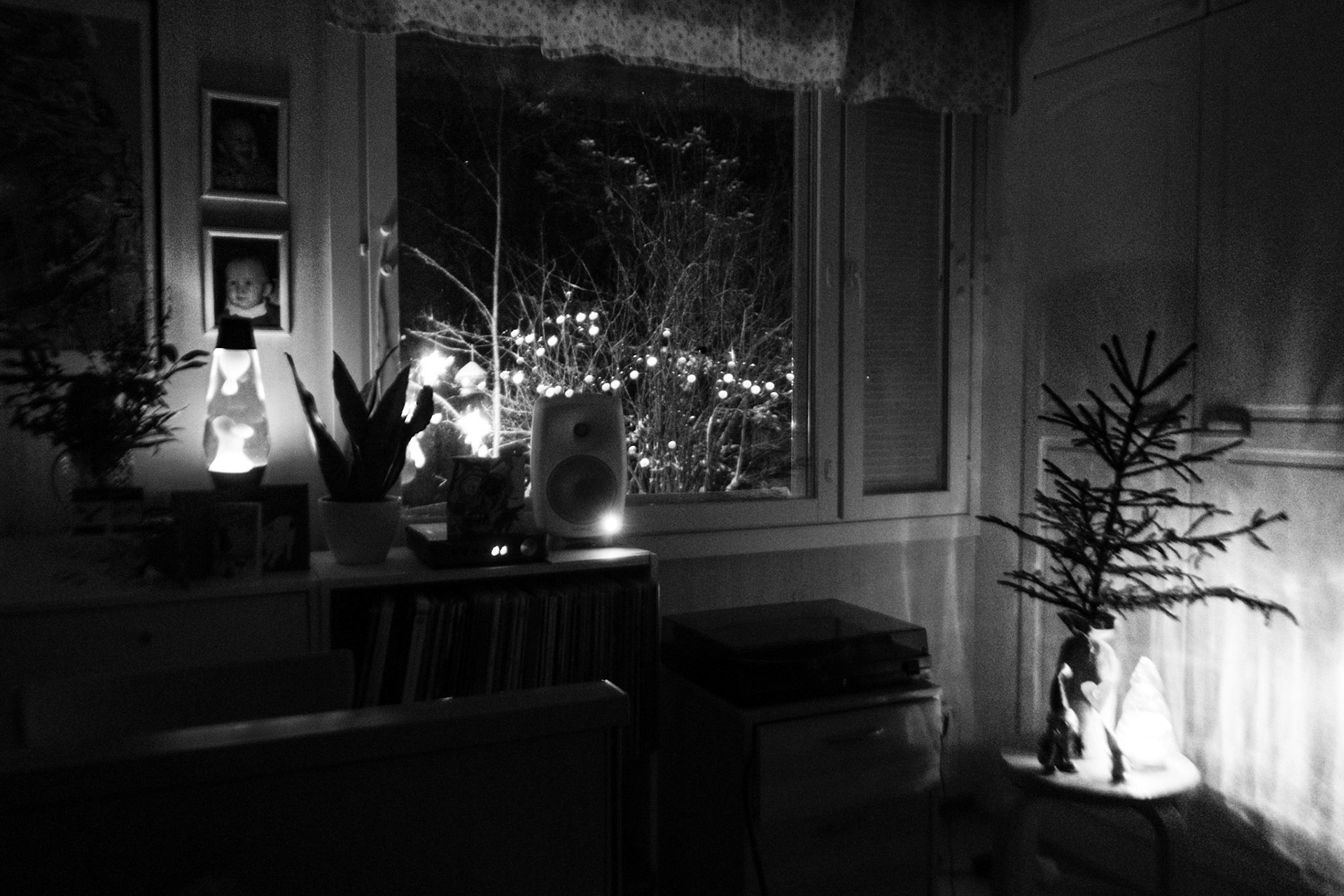
A black and white photo of a corner of a dark room with a window. Outside the window are Christmas lights on a bush and the light of sparkles. Inside there is a small Christmas tree on a stool and a lava lamp.

It’s New Year’s Eve, and I’m trapped in my bed just like every other day of the year. The clock is nearing midnight, while my mother and her friend are lighting sparklers outside my window. December 2025.
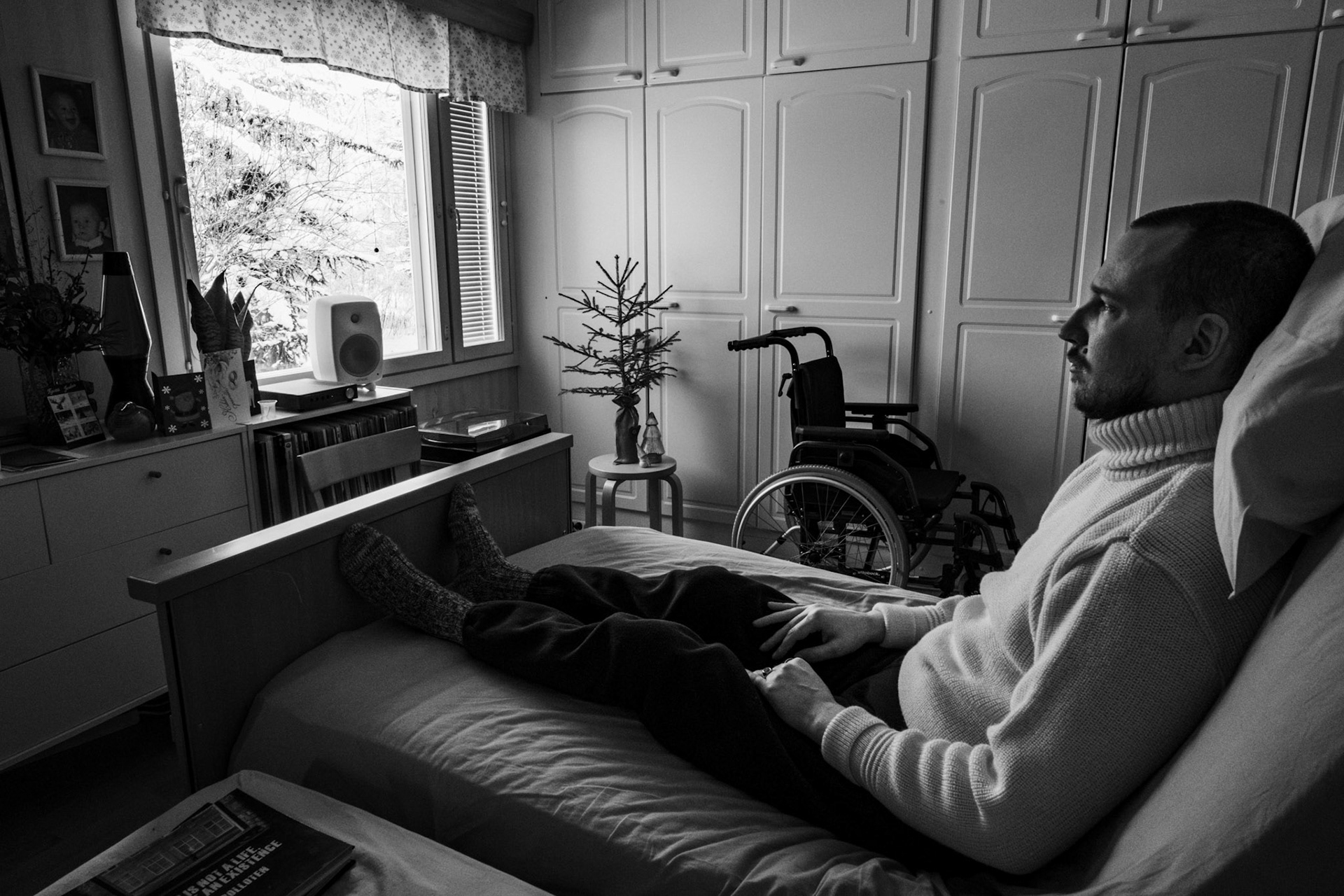
Then it’s winter again. Another year has passed, and I glimpse one more time at the view of the window, before I adjust my bed’s head to the lowered position and start my "rest".
A high contrast black and white photograph of a completely dark bedroom. A long and narrow ray of light peaks through the corner of the curtain-covered window. The silhouette of the window is seen through the curtain.
ME/CFS affects at least 0.4–1.3% of the population, according to this infographic [1] provided by the patient-led organisation CrunchME. However, COVID-19 is likely driving that prevalence higher. In a letter in the Journal of Translational Medicine, the authors cited that the prevalence of the illness would be 0.89%, which means 71.2 million people globally [2].

A European survey found that the majority of people with ME are mostly housebound, and nearly 1 in 5 are mostly or totally bedridden [3]. That, plus the fact that the illness has one of the worst health-related qualities of life of any disease [4], doesn’t make my situation unique in any way.

Millions of people around the world have been imprisoned by ME. Just like me, their time stands still, but most of them probably can’t document the passage of time as I can. Their lives have been reduced to a mere existence. Maybe every once in a while, something reminds them that time has passed while we all wait for the rest of the world to recognise our emergency.
Resources
1. CrunchME (2025). Visual advocacy piece on ME/CFS.

2. Vardaman, M. & Gilmour, S. (2025). Time to correct the record on the global burden of myalgic encephalomyelitis/chronic fatigue syndrome (ME/CFS). Journal of Translational Medicine, 23, 331.

3. CrunchME (2025). Visual advocacy piece on ME/CFS.

4. CrunchME (2025). Visual advocacy piece on ME/CFS.

You may also like

Back to Top